
· 10 min read · ▶ 14 min video
How Do the US Midterms Work, and Why Do They Matter So Much?
On election night 2026, the networks projected that President Trump's Republicans would lose both the House and the Senate. Here is how the US midterms work, and why one vote halfway through a term can change so much.
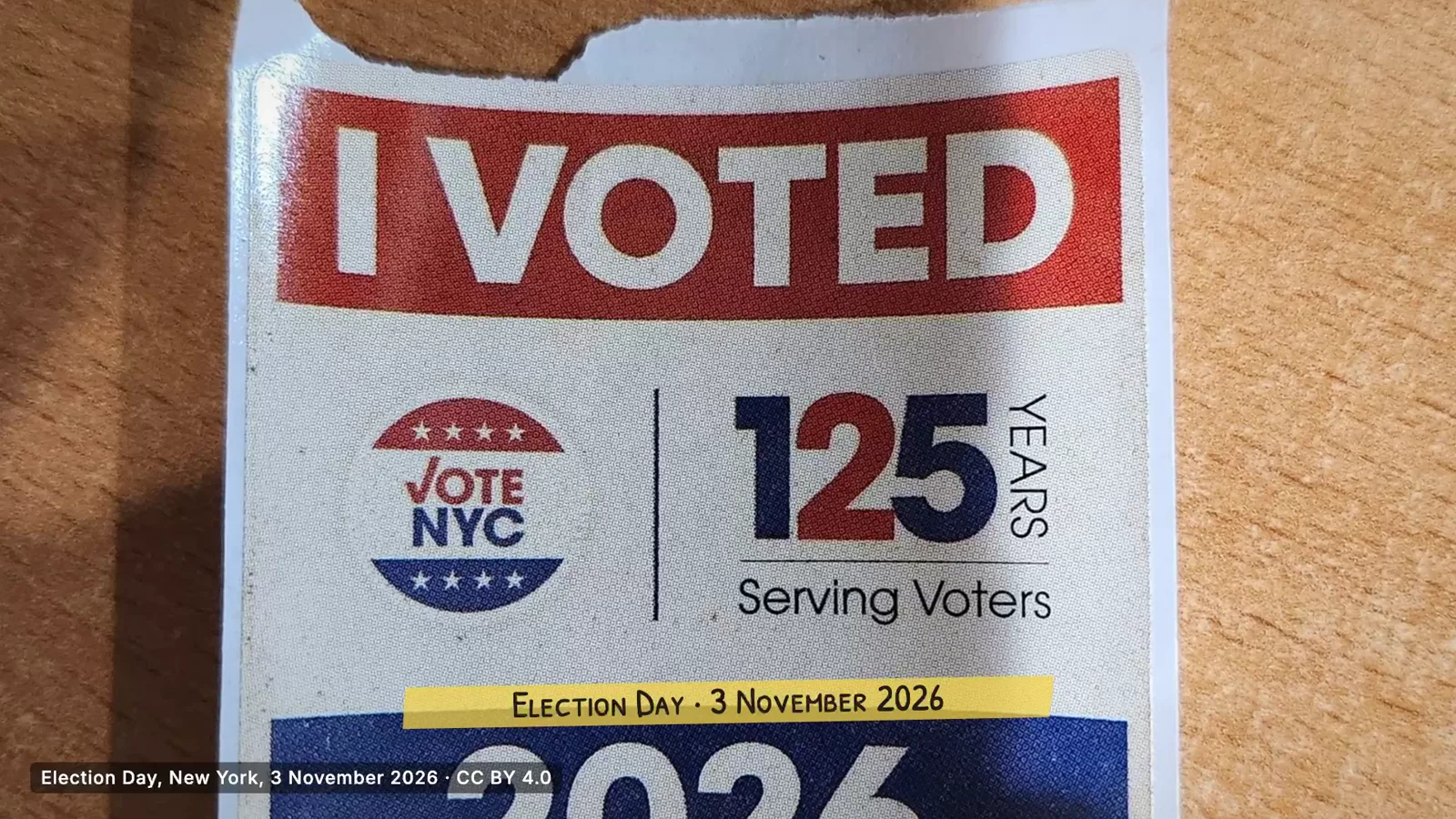

Halfway through every American president's term, voters get a chance to turn the tables on him. And that's exactly what just happened.
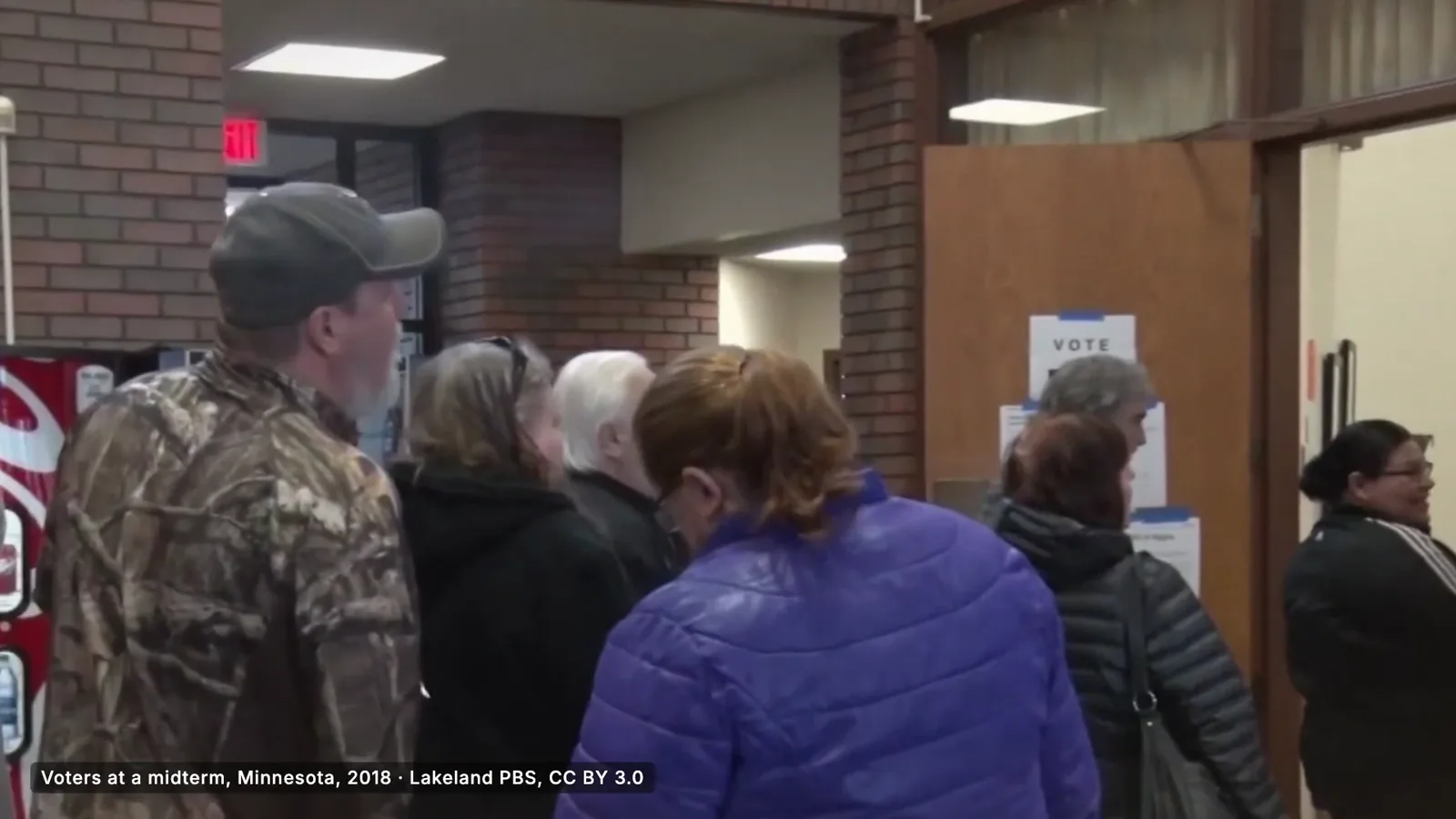
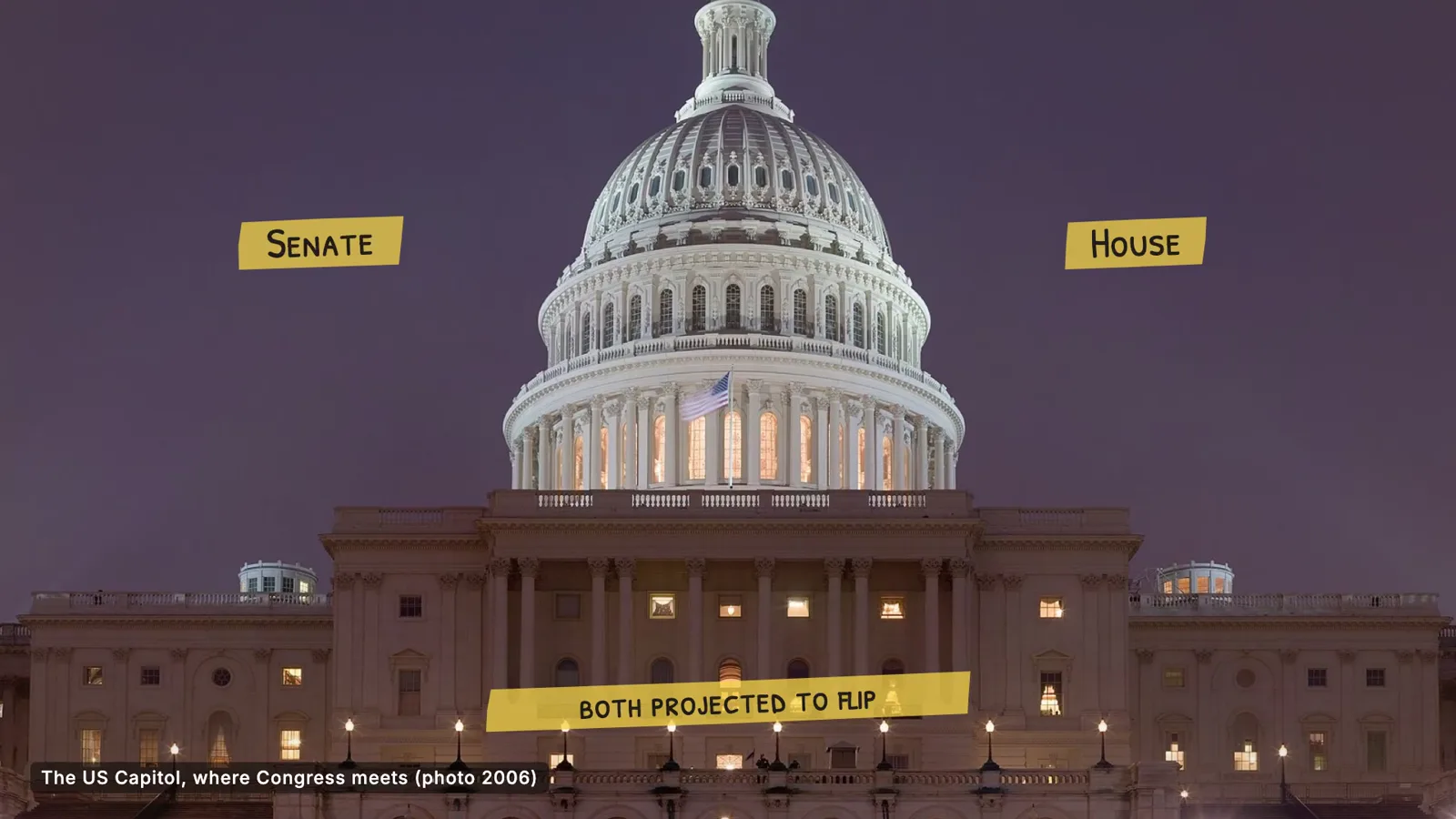

These are the midterm elections. On election night, the networks projected that President Donald Trump's Republicans would lose both halves of Congress, America's parliament: the House and the Senate.

That night, Trump posted a picture of his red cap. It had a single word on it: veto.
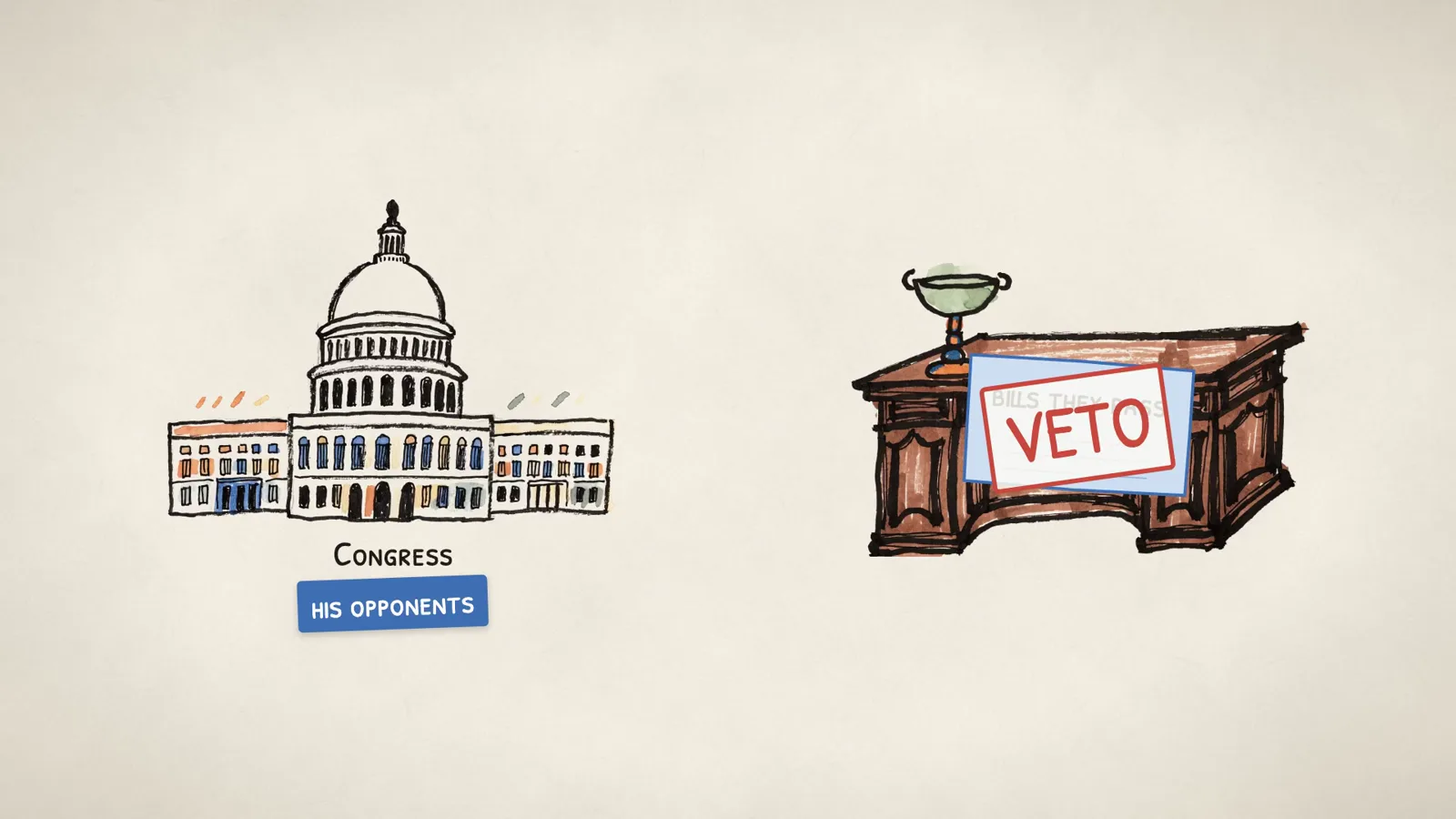
From January, almost every law he wants will have to get past his opponents. And every bill they pass will land on his desk, where he can block it with a veto.
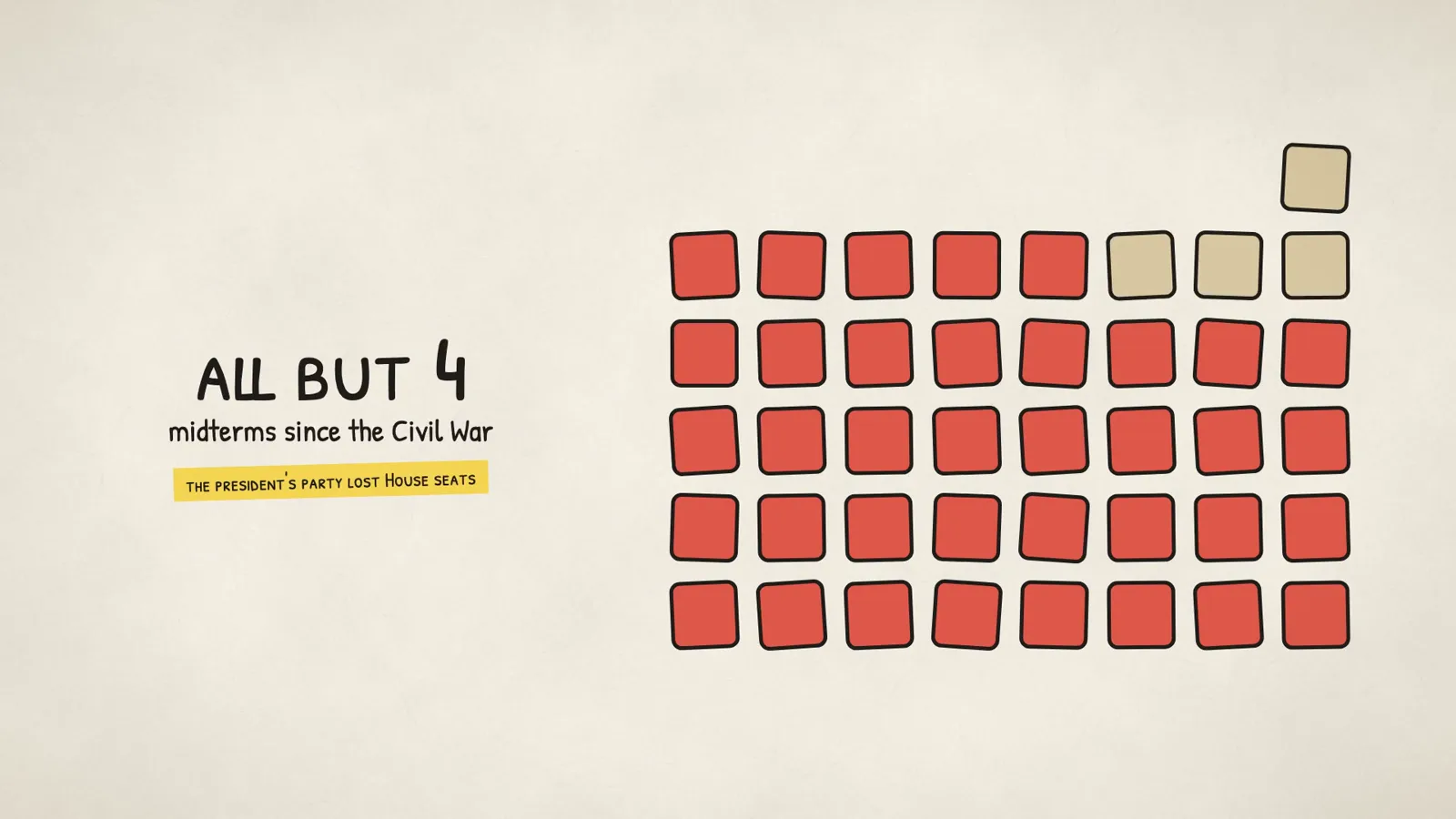
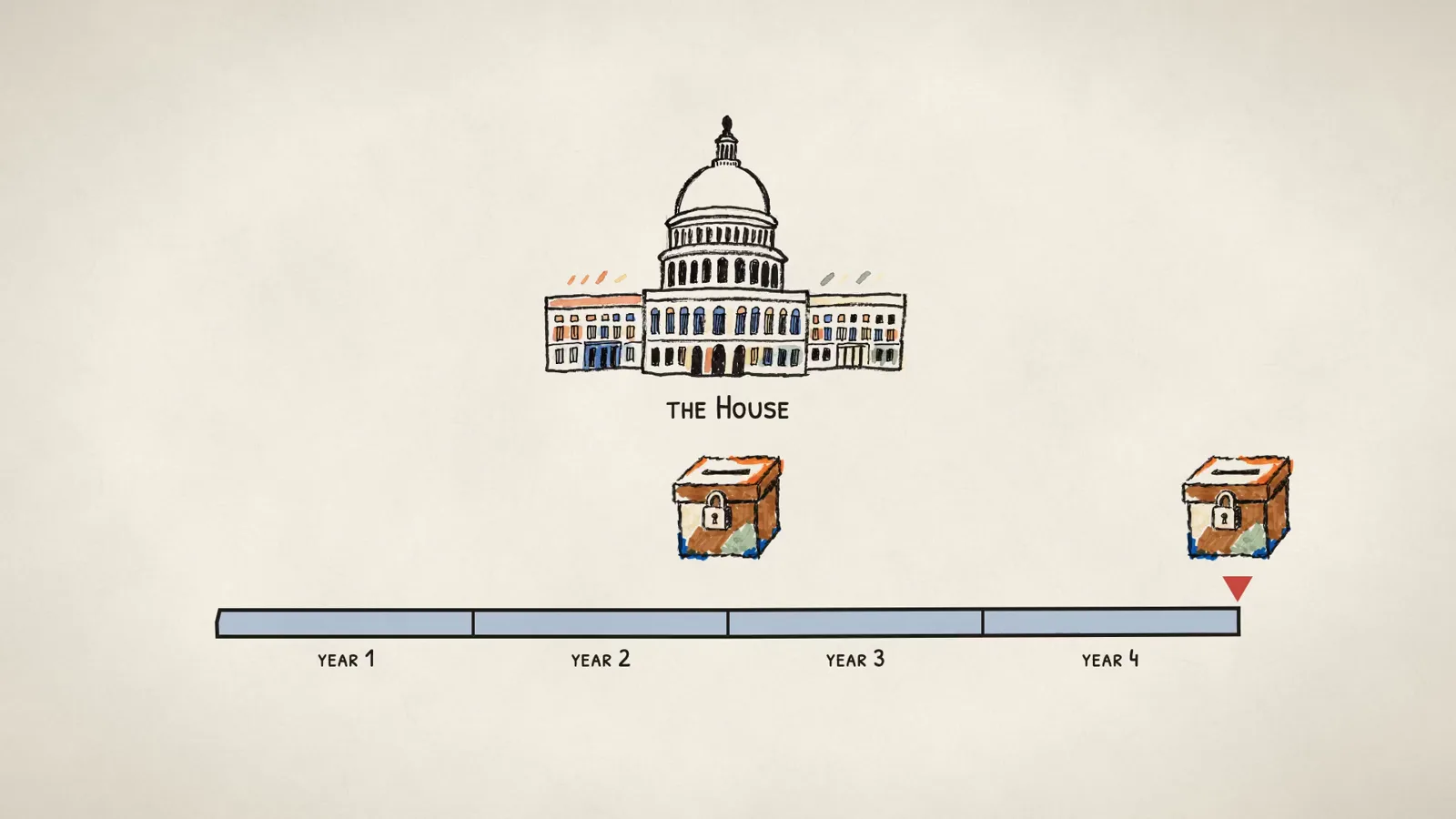
It happens to almost every president. Since the Civil War, the president's party has lost seats in the House at all but four midterms. That's by design. The founders made the House of Representatives face the voters every two years.
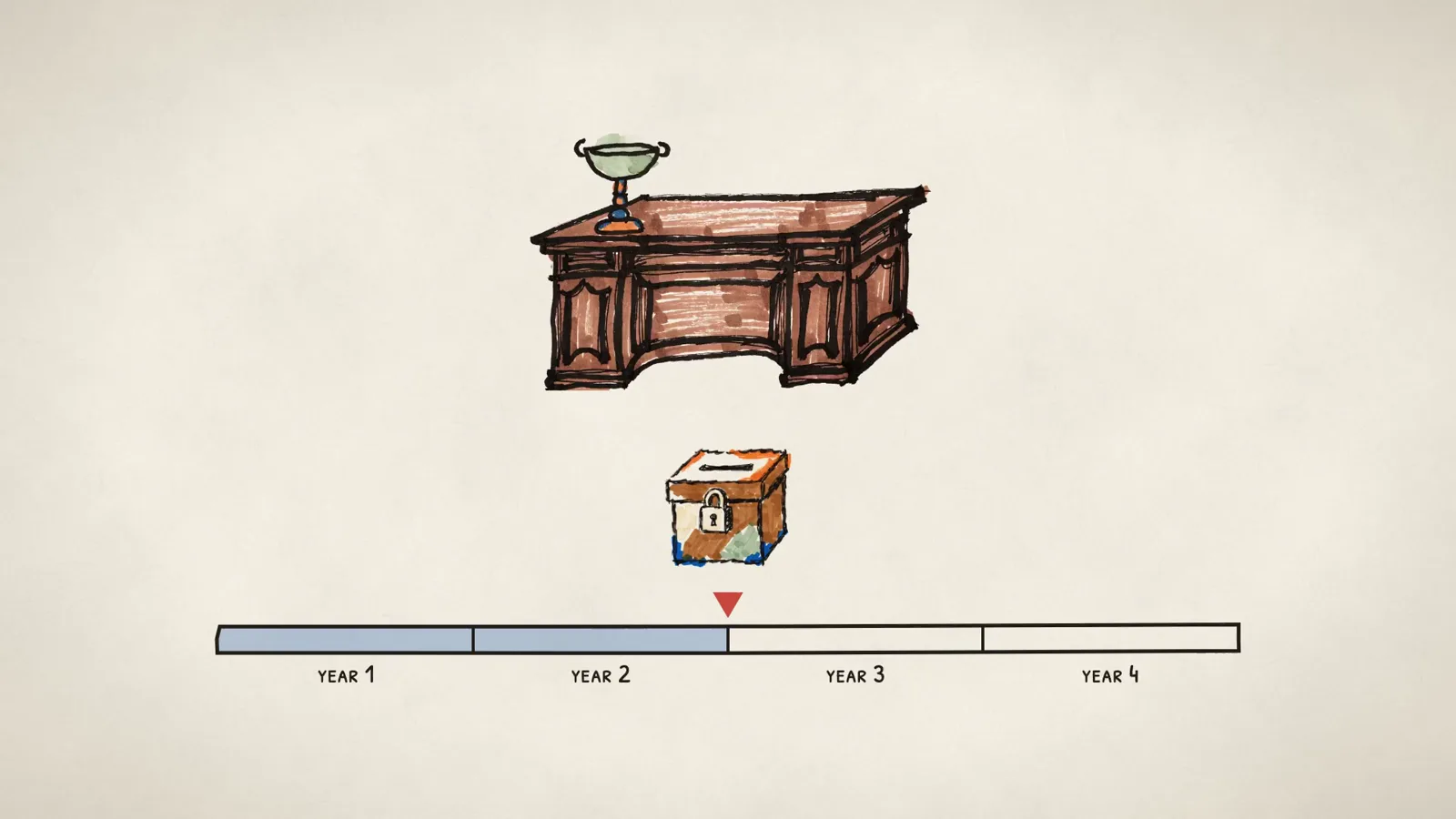
So why does a vote halfway through a term matter this much?
What is on the ballot in the US midterms? ▶ 0:55
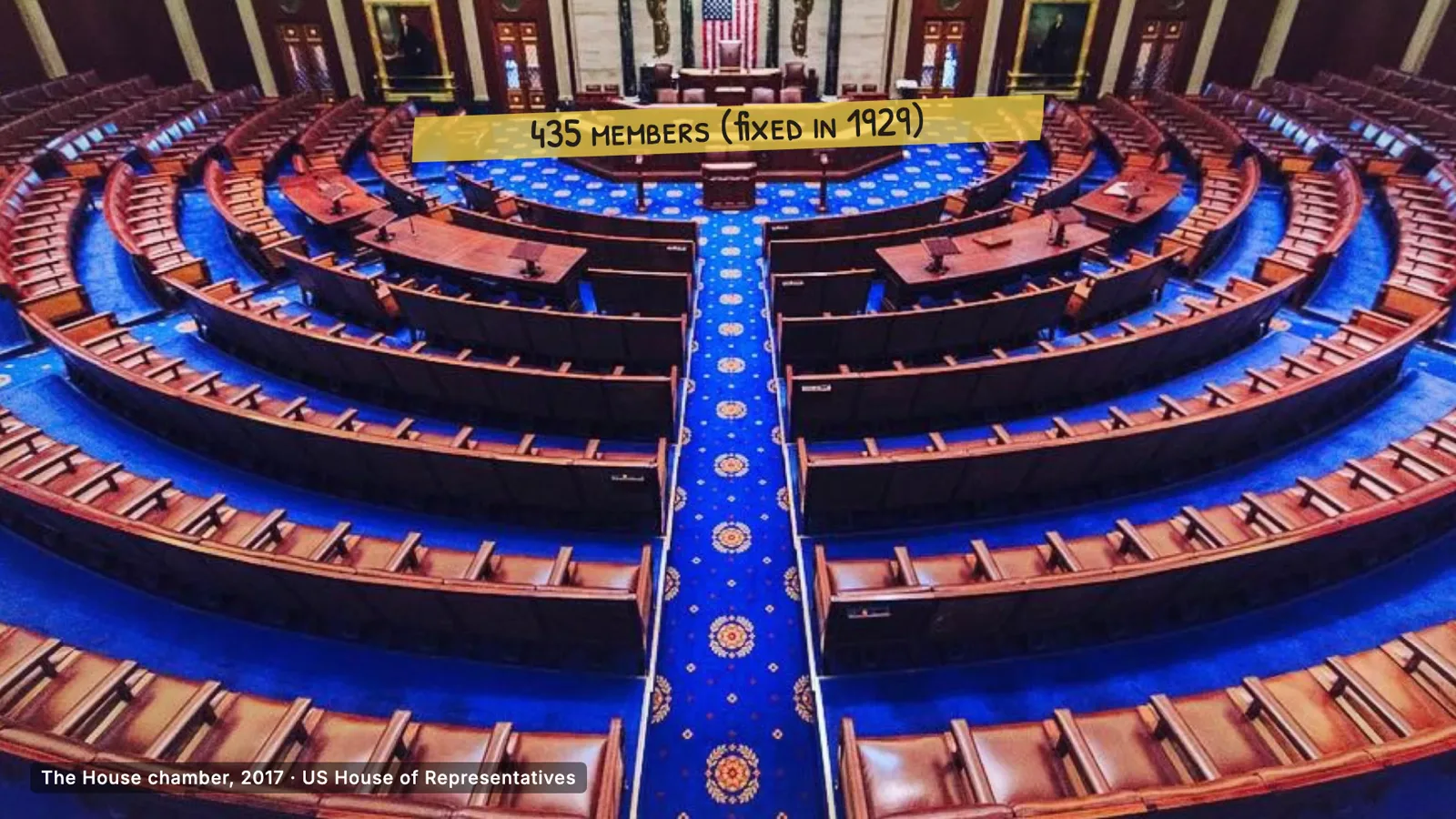

Start with the House of Representatives. It has 435 members, a number fixed by law in 1929. Each one represents a district, and every one of those seats is up every two years. So at every midterm, the whole House is chosen again.


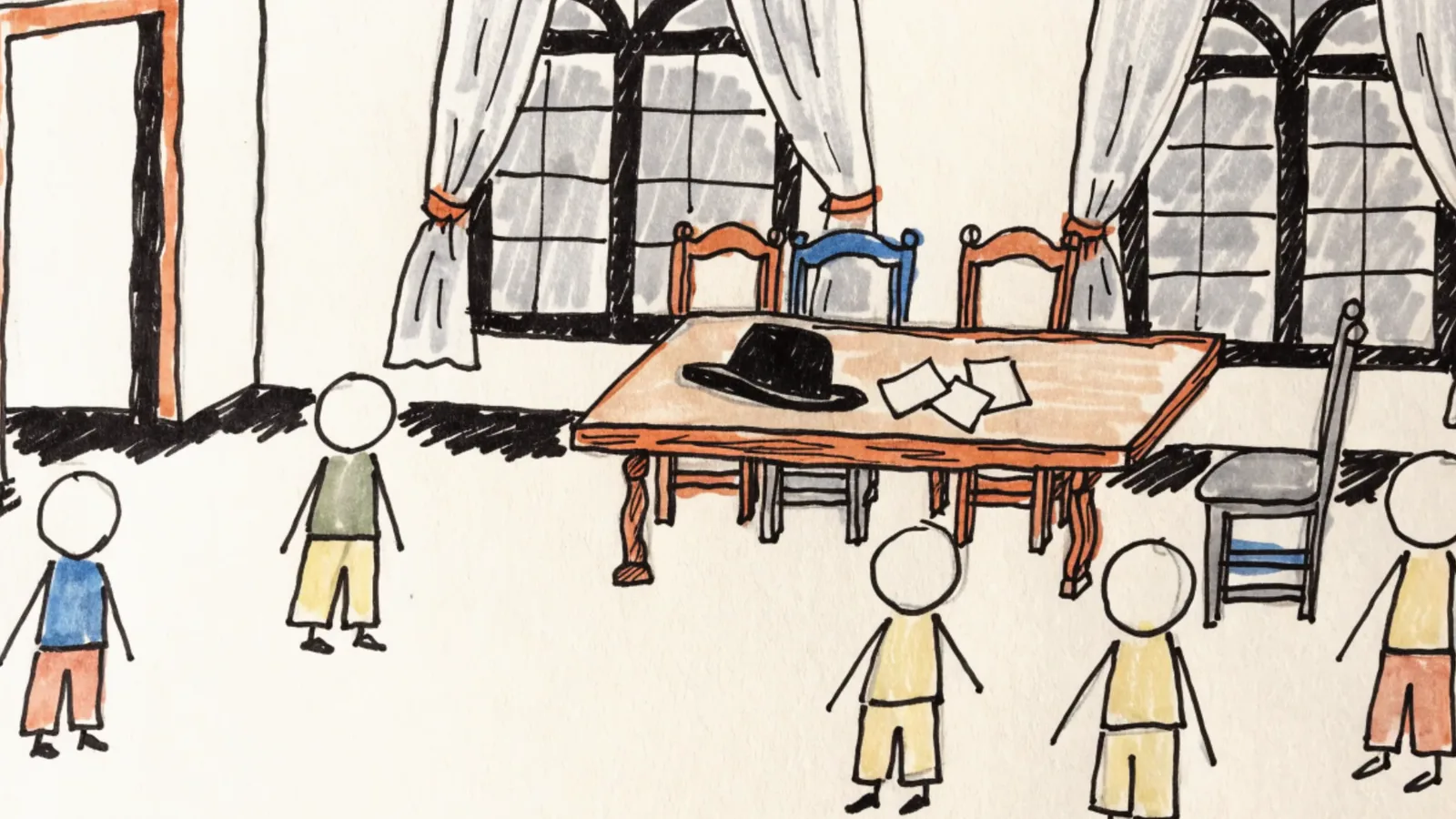
The Senate works differently. There are a hundred senators, two for each state, and each one serves six years. That's because of something the very first senators did. In May 1789, in New York, they drew lots to split themselves into three groups. Some of them got a first term of just two years. From then on, only a third of the Senate would face the voters at any one election.
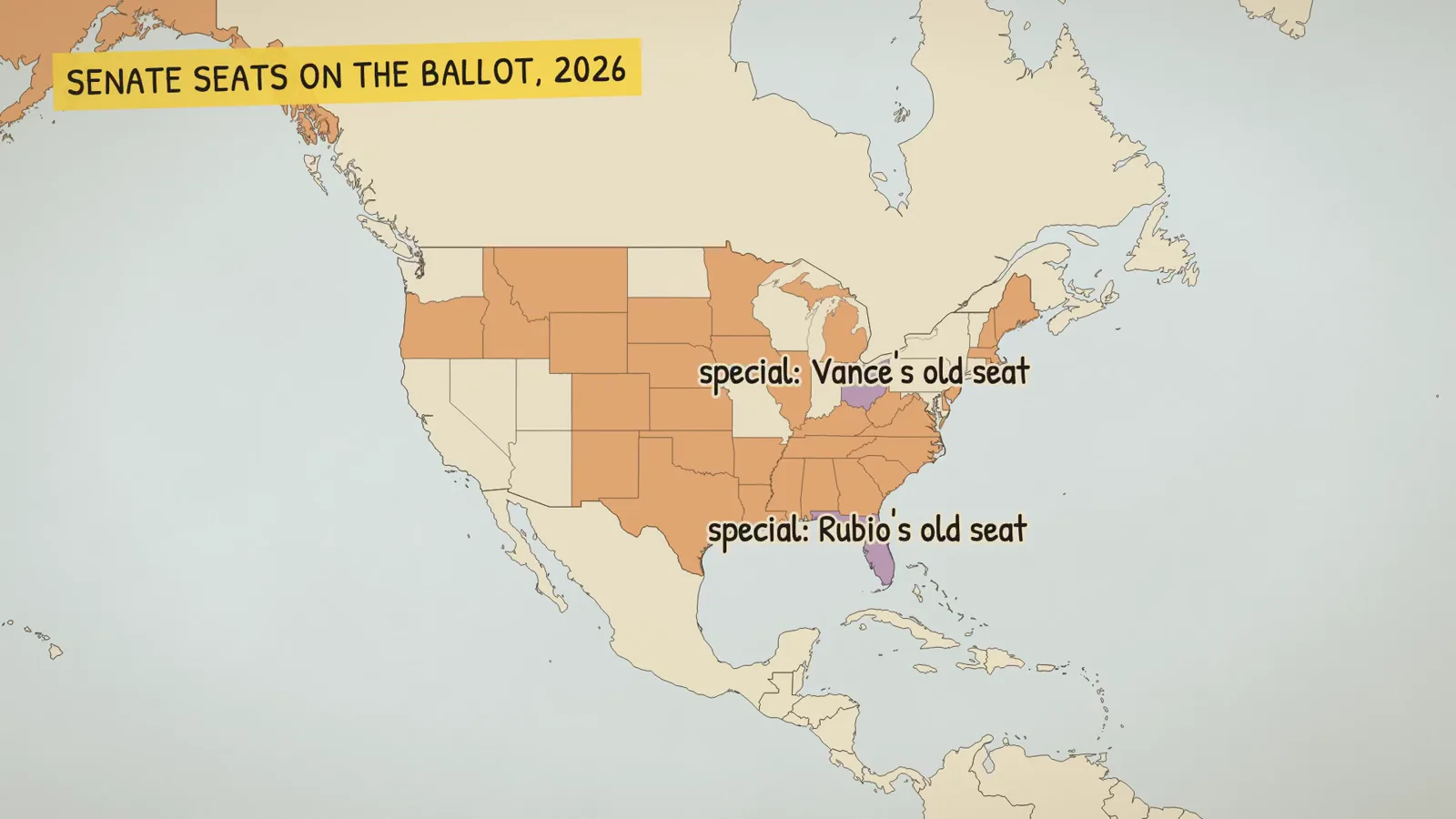
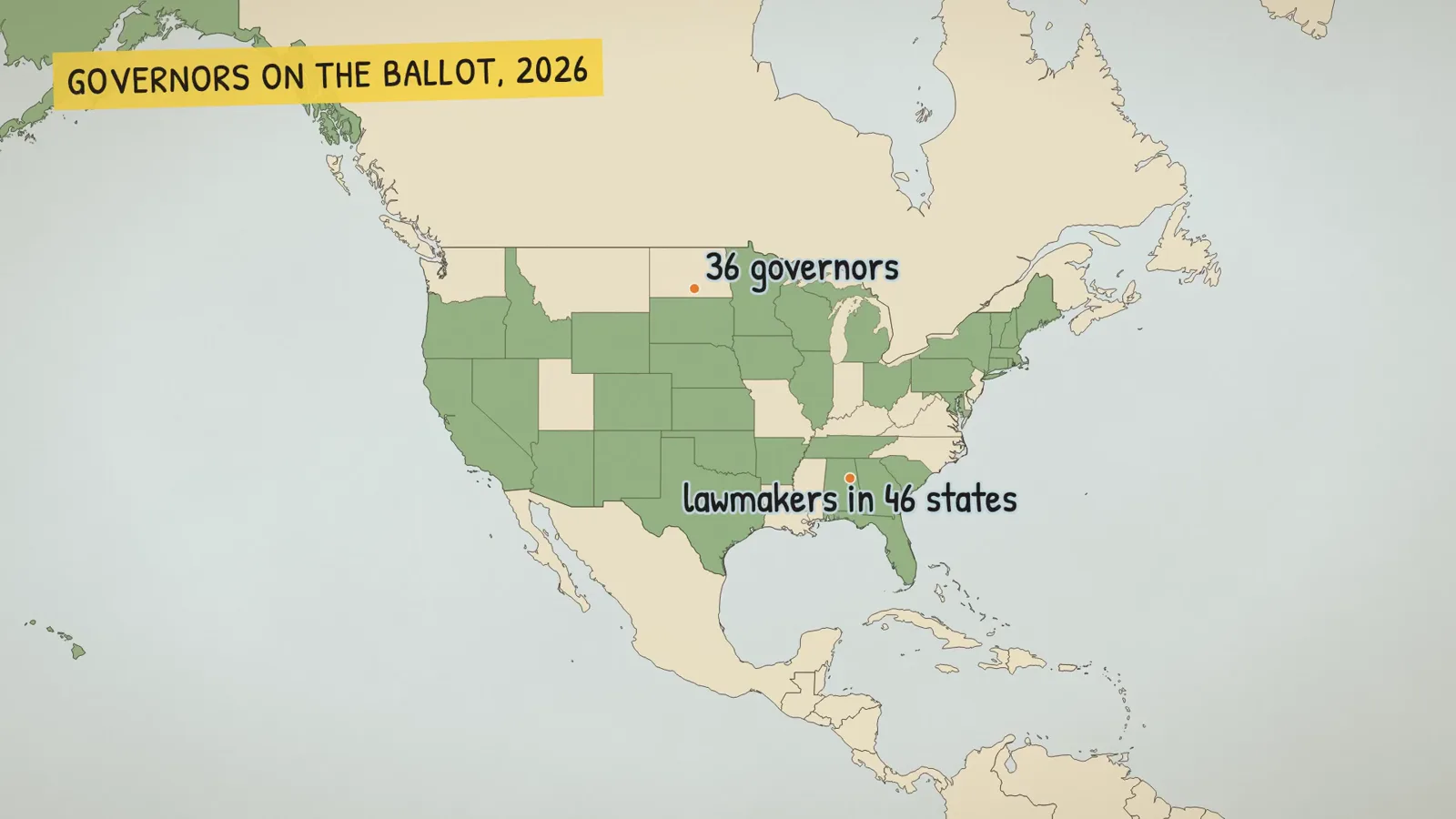
In 2026, that meant 35 Senate seats. Thirty-three were the regular third. The other two were special elections, for the seats left open when JD Vance became vice president and Marco Rubio became secretary of state. On top of that, 36 states chose a governor, and voters in 46 states elected state lawmakers.
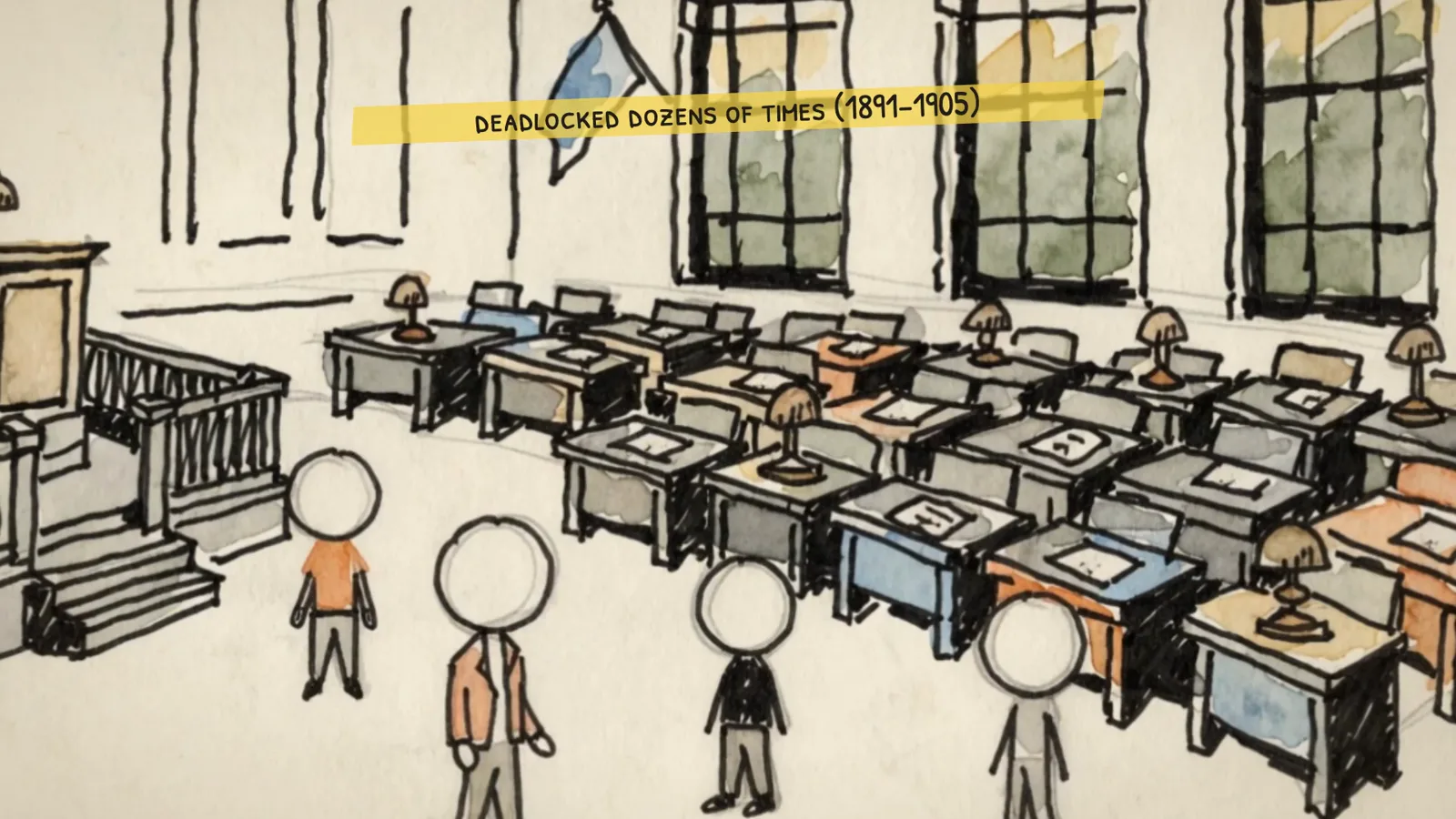
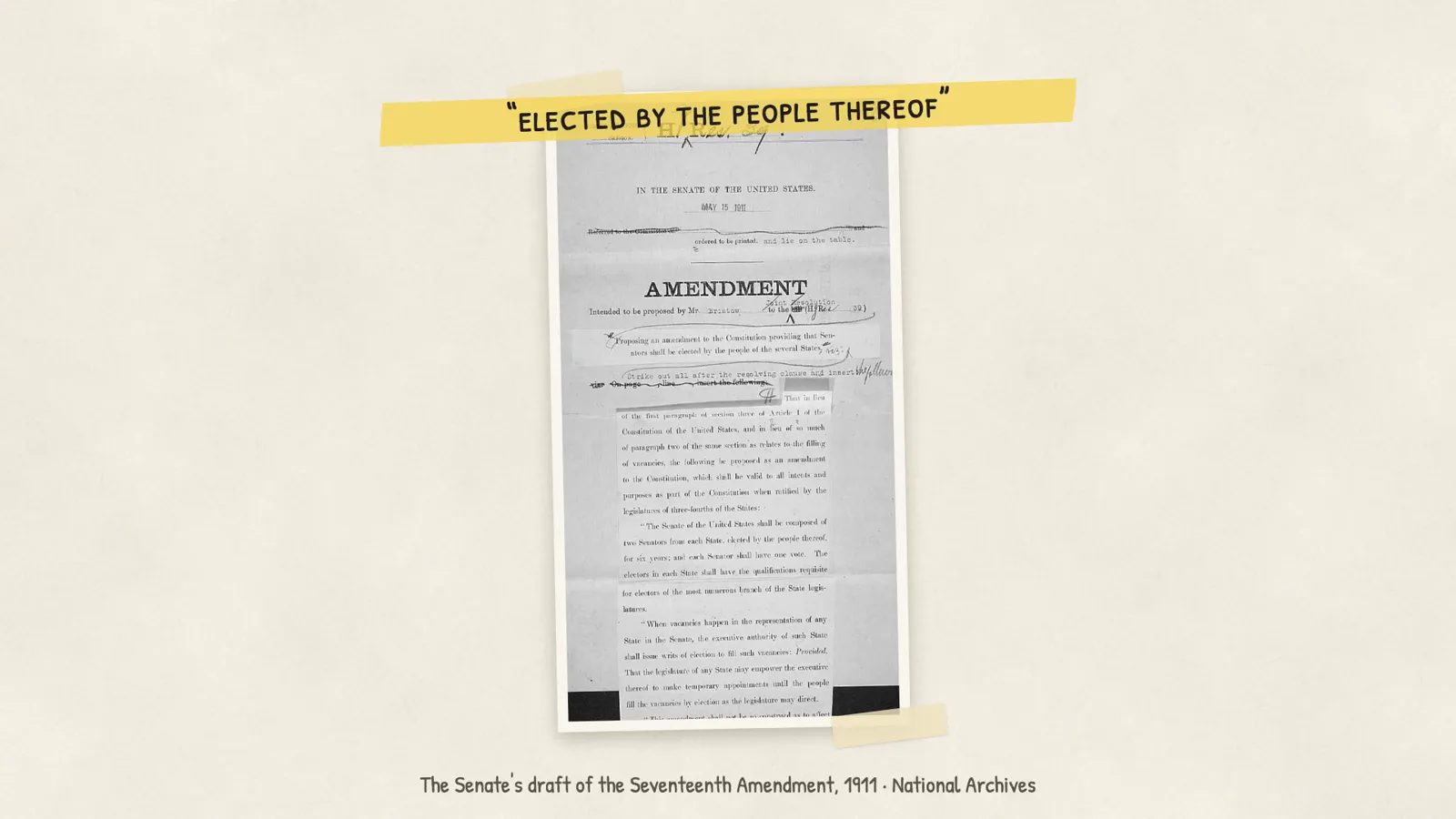

Voters haven't always chosen their senators, though. For more than a century, state legislatures picked them. Those legislatures often couldn't agree, and between 1891 and 1905 they deadlocked dozens of times, leaving Senate seats empty. Delaware went years with an empty seat. So in 1913, the Seventeenth Amendment said senators would be "elected by the people thereof". The first Senate elections by voters across the whole country came in 1914.
Why is US Election Day on a Tuesday? ▶ 2:28
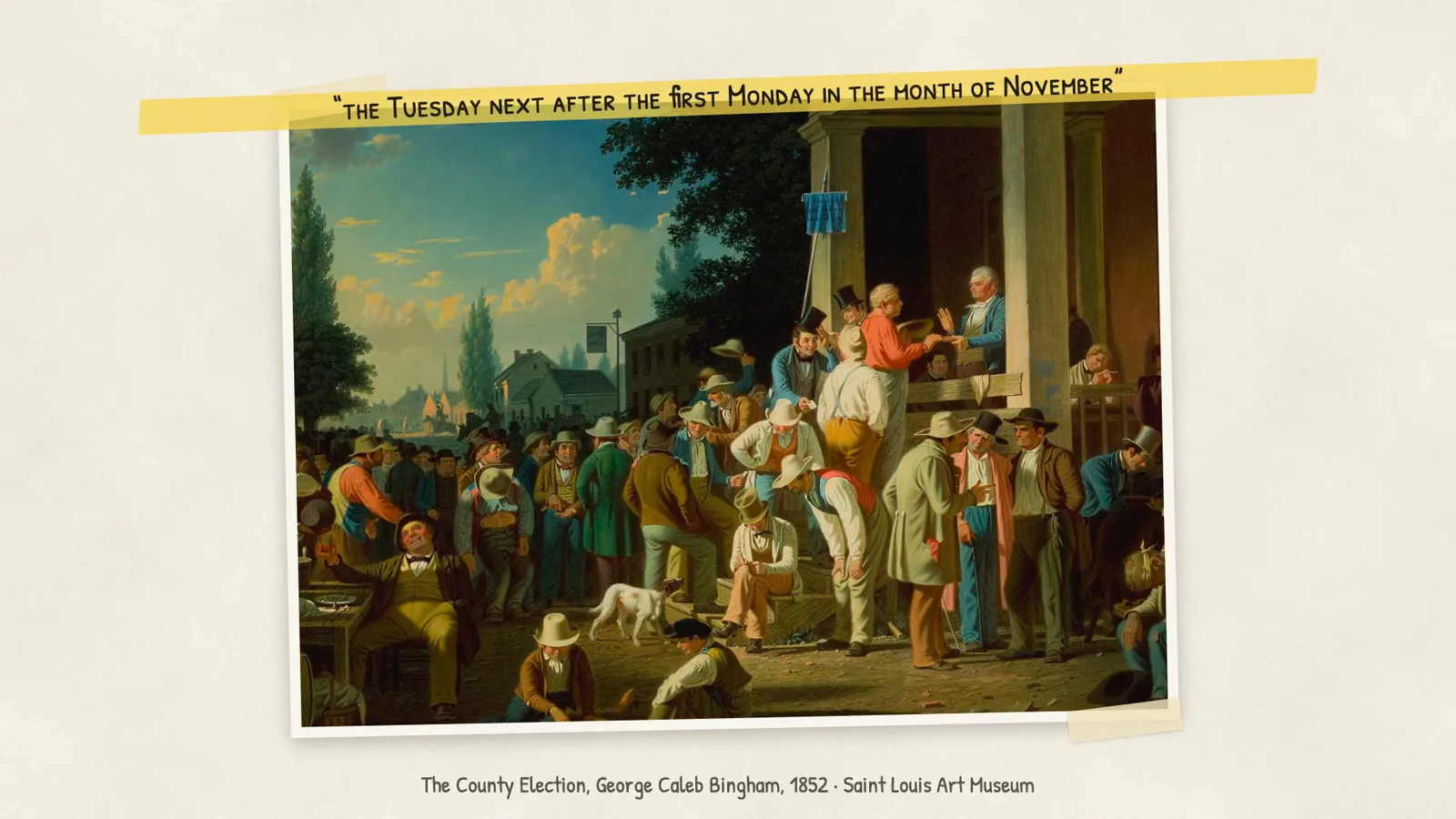

Then there's the day itself. By law, it's "the Tuesday next after the first Monday in the month of November". Many of us learned a neat reason for that. America was a country of farmers, the story goes on, and farmers needed a day to ride into town to vote. Sunday was for church, and Wednesday was market day, so Congress picked Tuesday.
Farming may well have played a part, but Congress never wrote that reason down. When it set one day for choosing the president, in 1845, the debate was about cheating. Until then, states could vote at different times across a window of 34 days. In the House debate, quoted by the Congressional Research Service, that window "prolonged excitement and provided time for more intrigue". One national day was meant "to guard against frauds". Elections for the House moved to the same Tuesday later, from 1876.
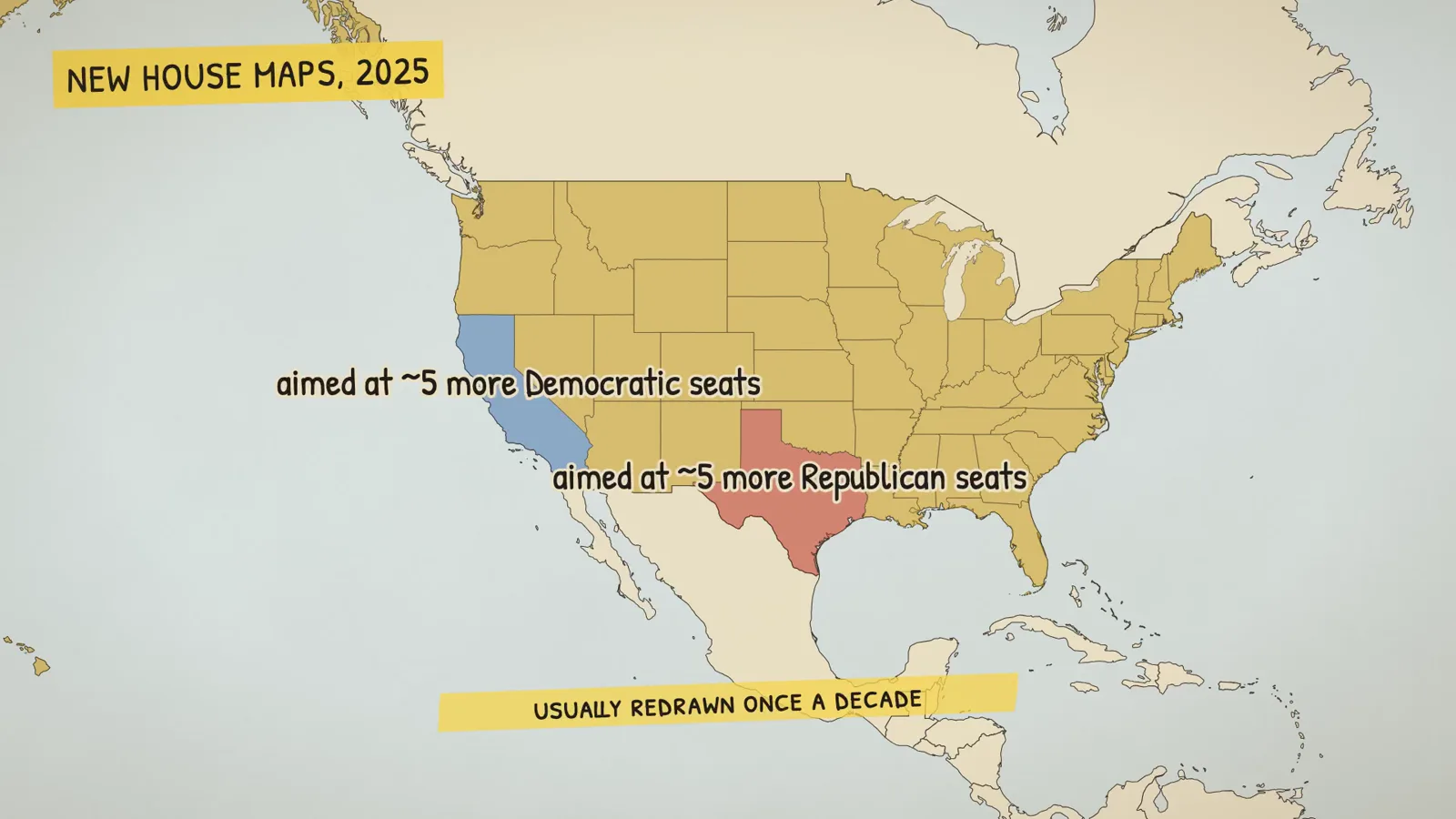
Where the district lines fall matters too. After every census, the 435 seats are shared out again among the states, and the districts are redrawn. That normally happens once a decade. But in 2025, both parties redrew maps in the middle of the decade. Texas Republicans passed a map aimed at about five more Republican seats. California voters answered with a map aimed at about five more Democratic seats.
Why do House members serve only two years? ▶ 3:52
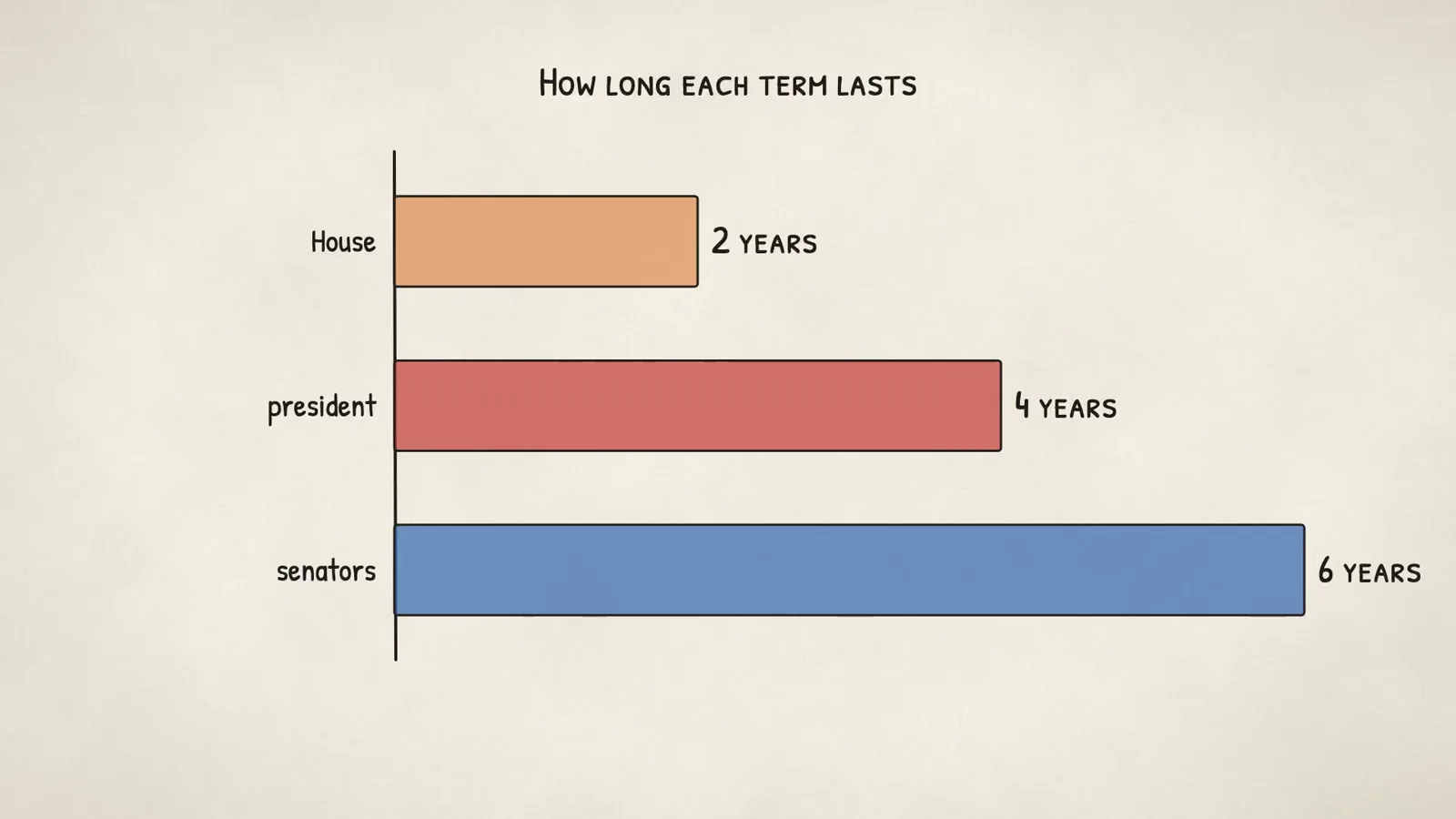


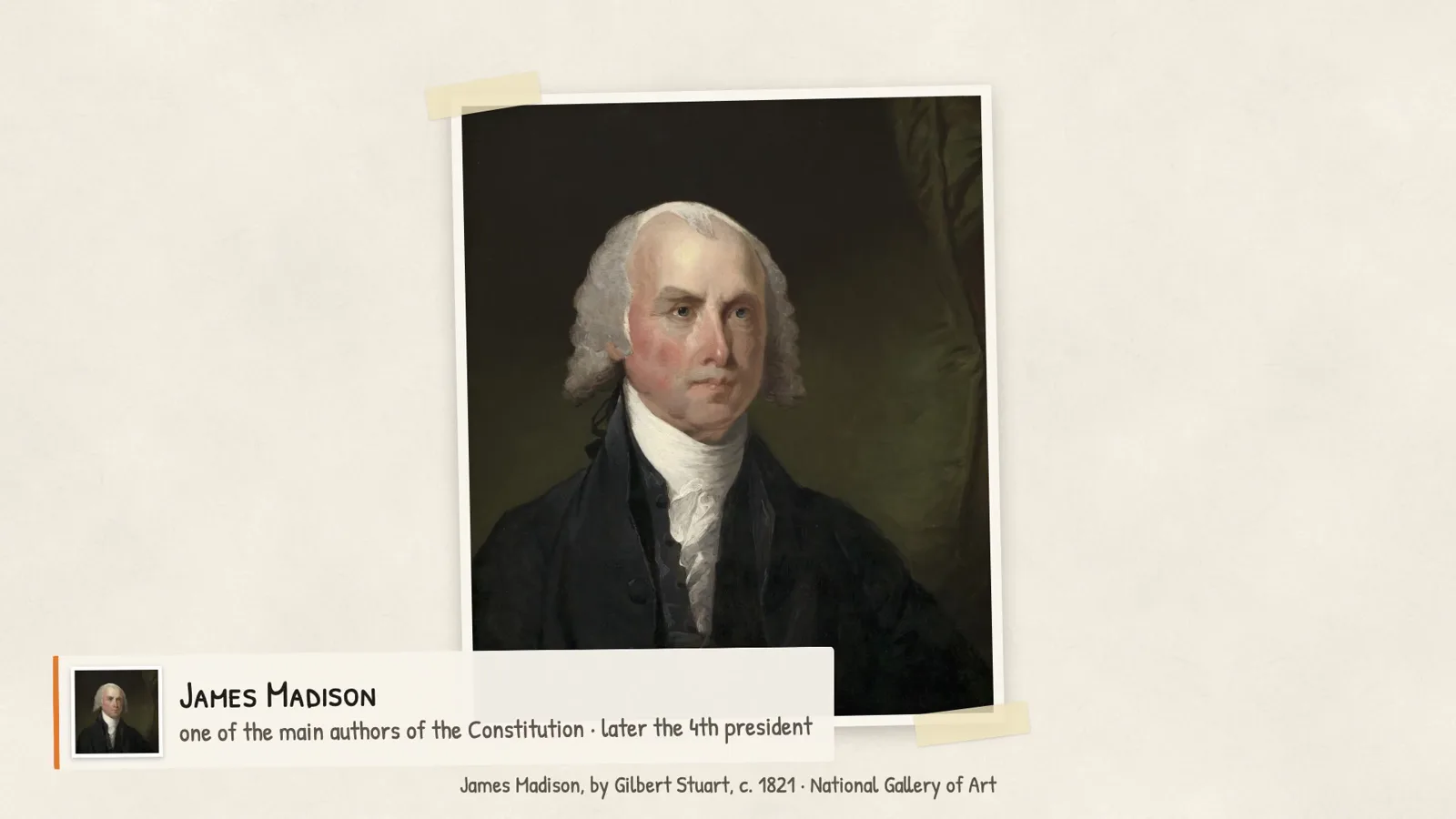

Why make the House run every two years, when the president gets four and senators get six? The founders argued about it in the newspapers. In February 1788, a New York paper printed essay No. 52 of what became the Federalist Papers. It's usually credited to James Madison, one of the main authors of the Constitution.
The House, the essay argued, must have "an immediate dependence on, and an intimate sympathy with, the people." And it was blunt about how to get there:
“Frequent elections are unquestionably the only policy by which this dependence and sympathy can be effectually secured.” — The Federalist No. 52, 1788
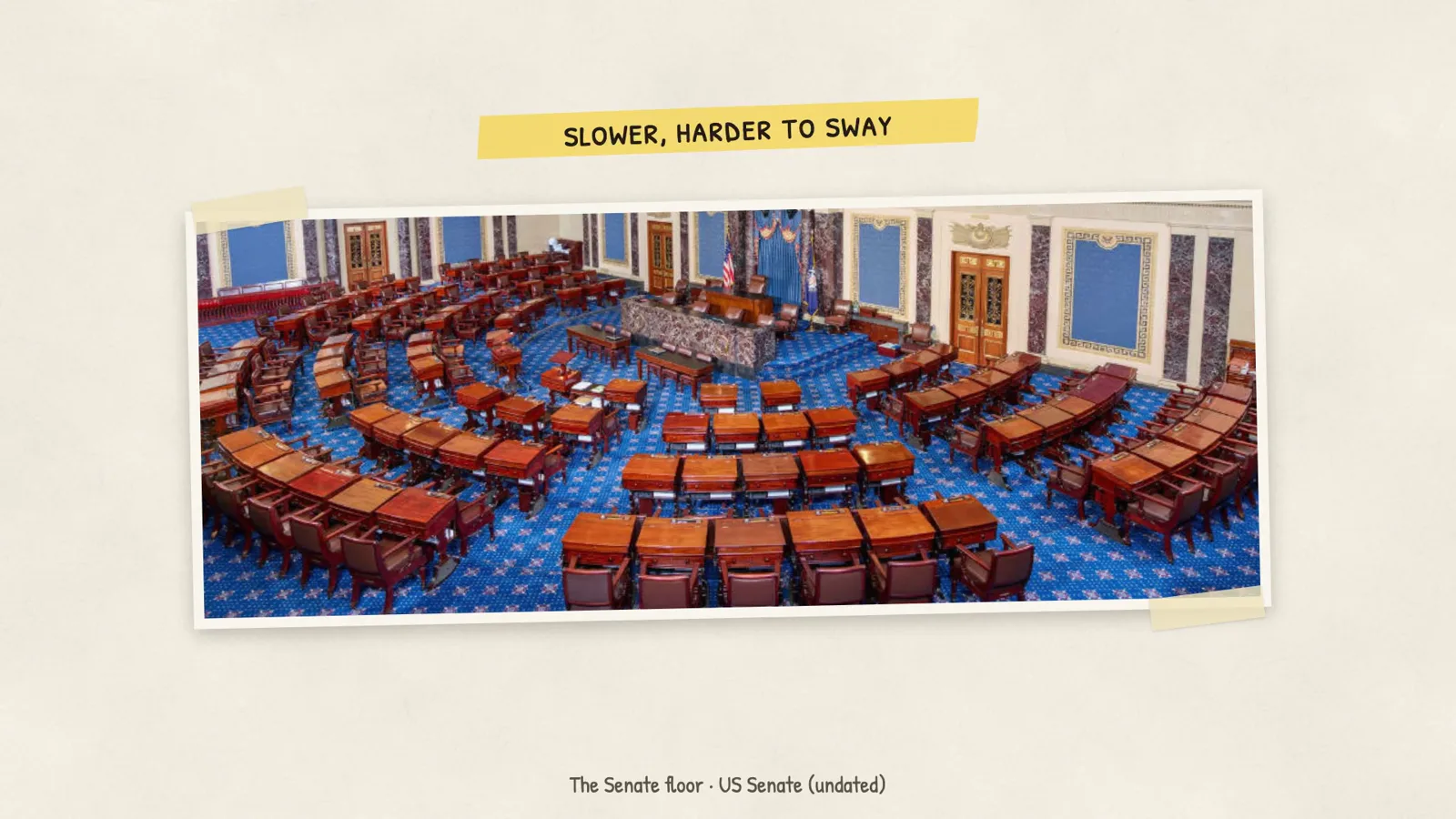

The Senate was meant to be the opposite, slower and harder to sway. Essay No. 63 called it:
“a defense to the people against their own temporary errors and delusions.” — The Federalist No. 63, 1788
The House would feel every change in the public mood. The Senate would feel it a third at a time.
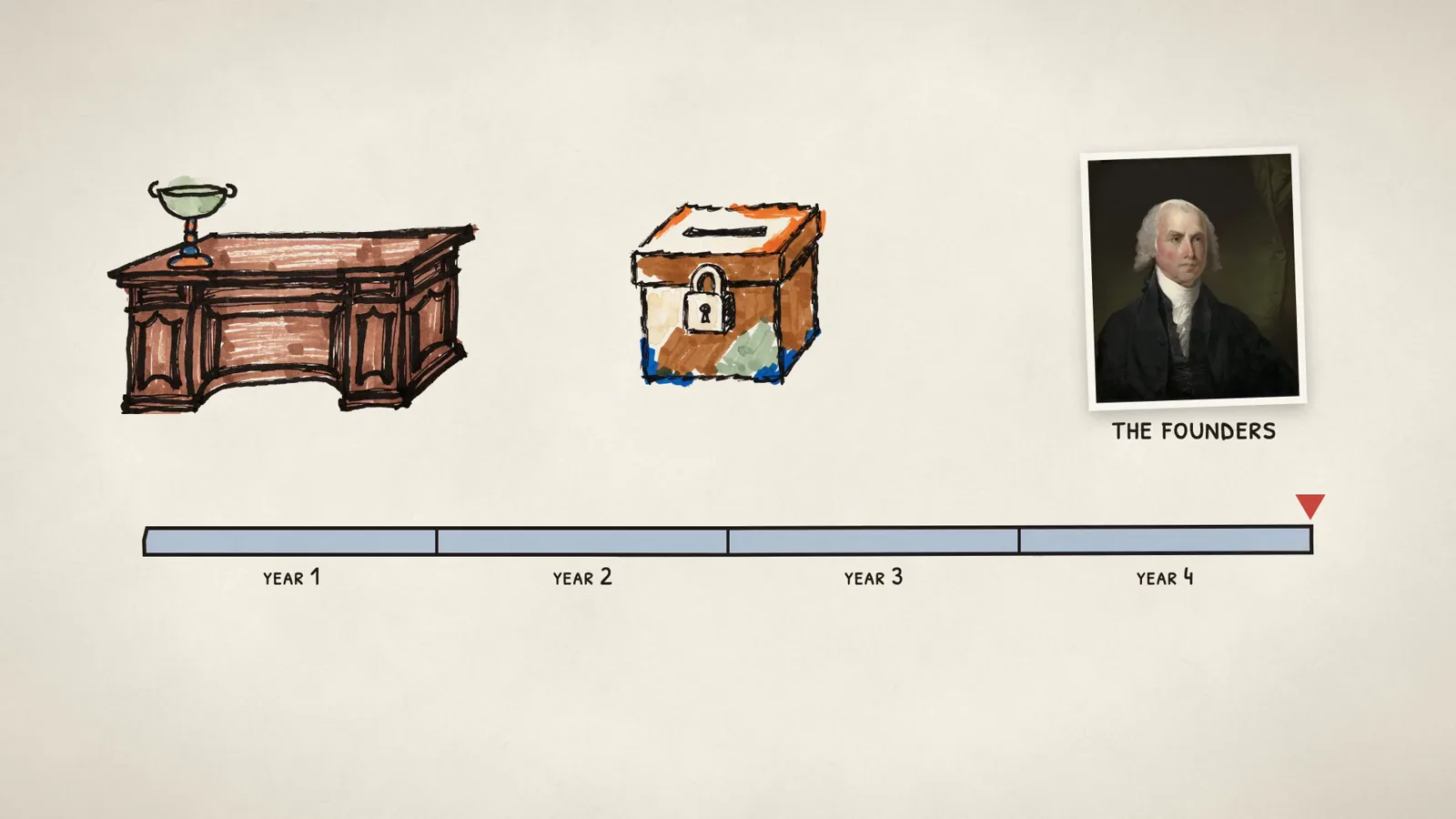
Add a president elected for four years, and you get the midterm. Two years into every term, voters get their first chance to answer back, without removing the president. What the founders couldn't know was how reliably the voters would use it.
Why the president's party loses midterms ▶ 5:00
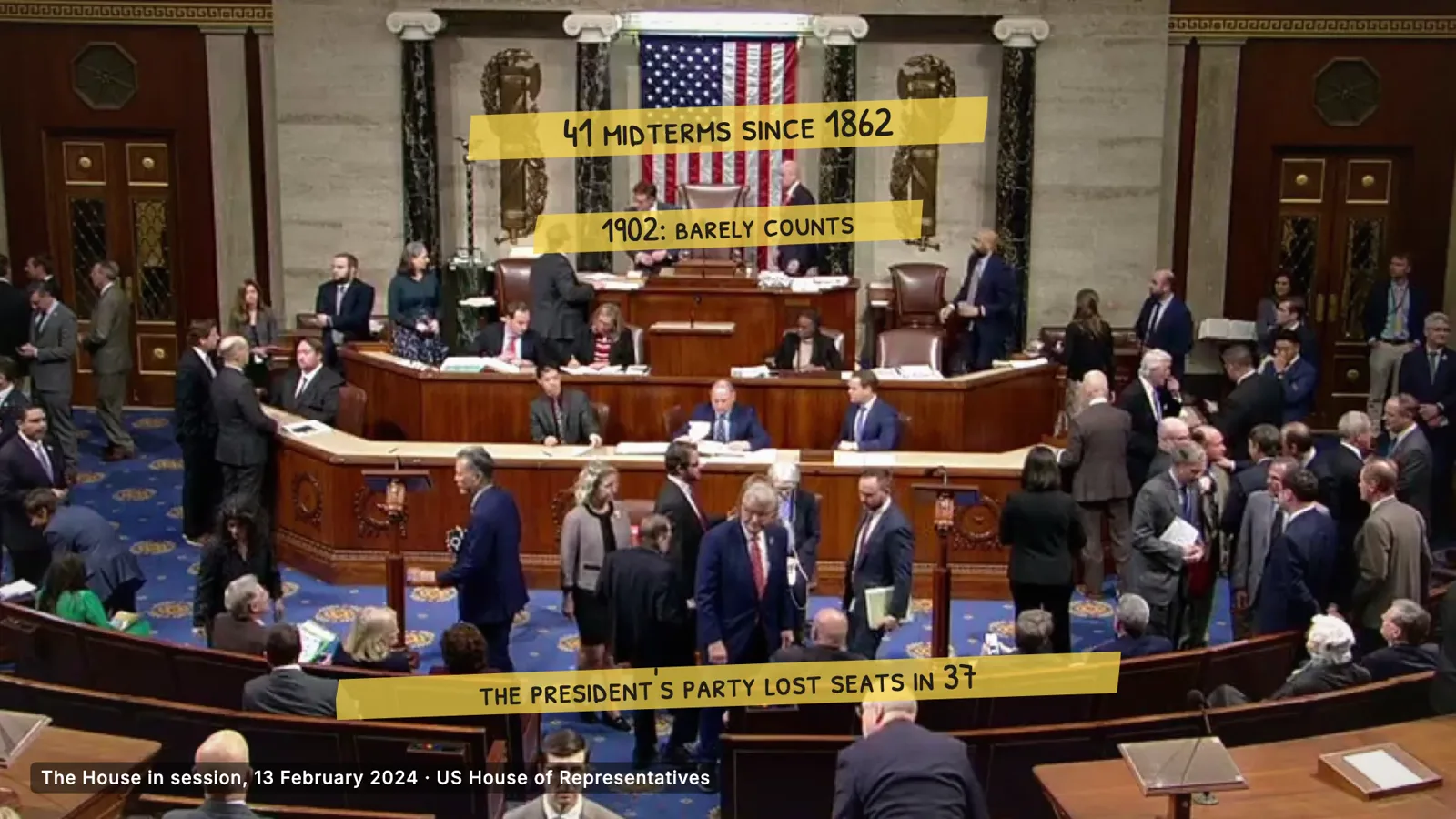

Since 1862, in the middle of the Civil War, there have been 41 midterm elections. In all but four, the president's party lost seats in the House. One of those four, in 1902, barely counts, because the House itself had just grown. Since the Second World War, the average loss is about 26 seats, according to the Brookings Institution.
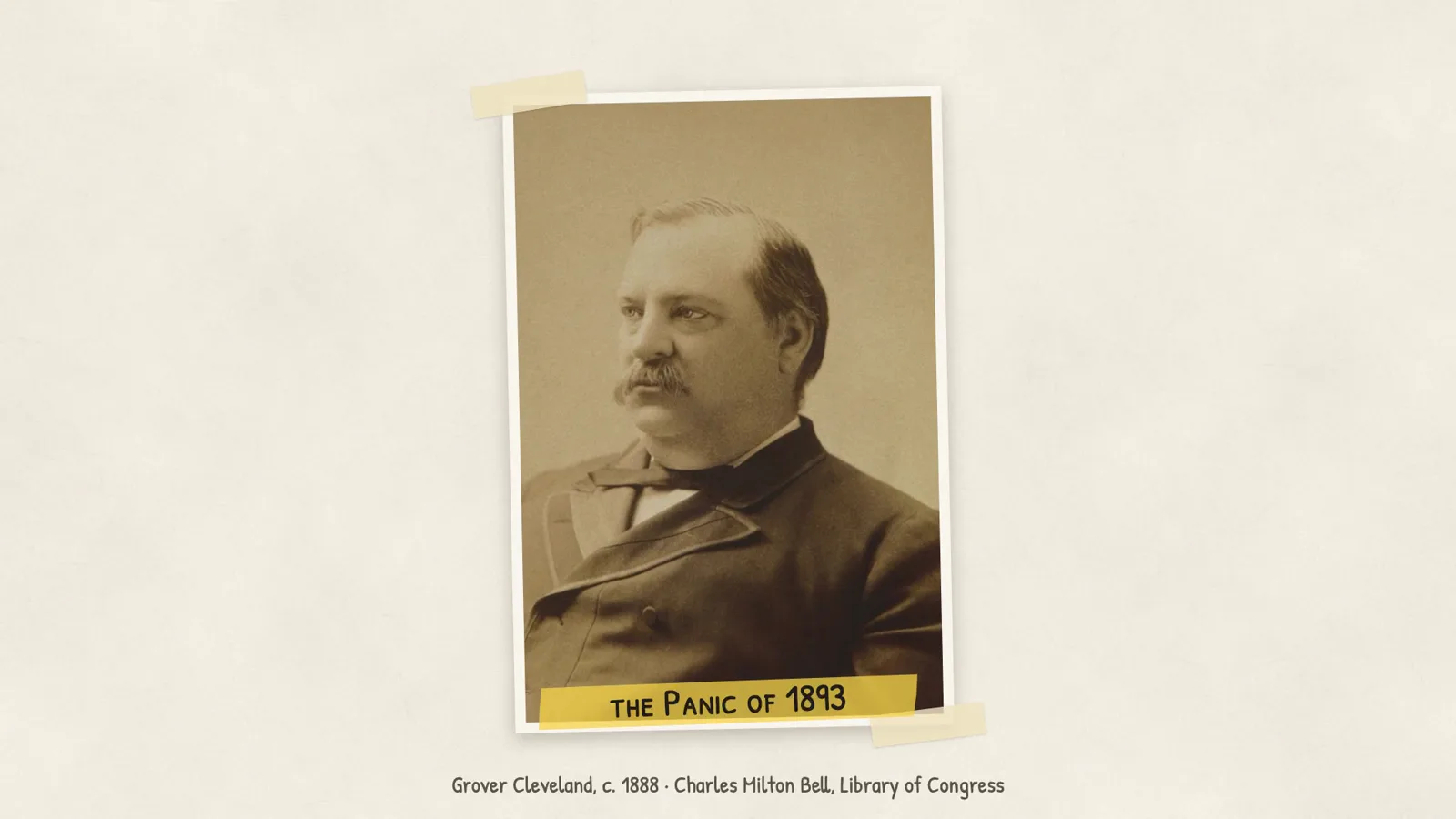

The biggest swing of all came in 1894. A financial panic had hit the country the year before, under the Democratic president Grover Cleveland. At the midterms, his party fell from 218 House seats to 93. No party has ever lost more in a single House election.
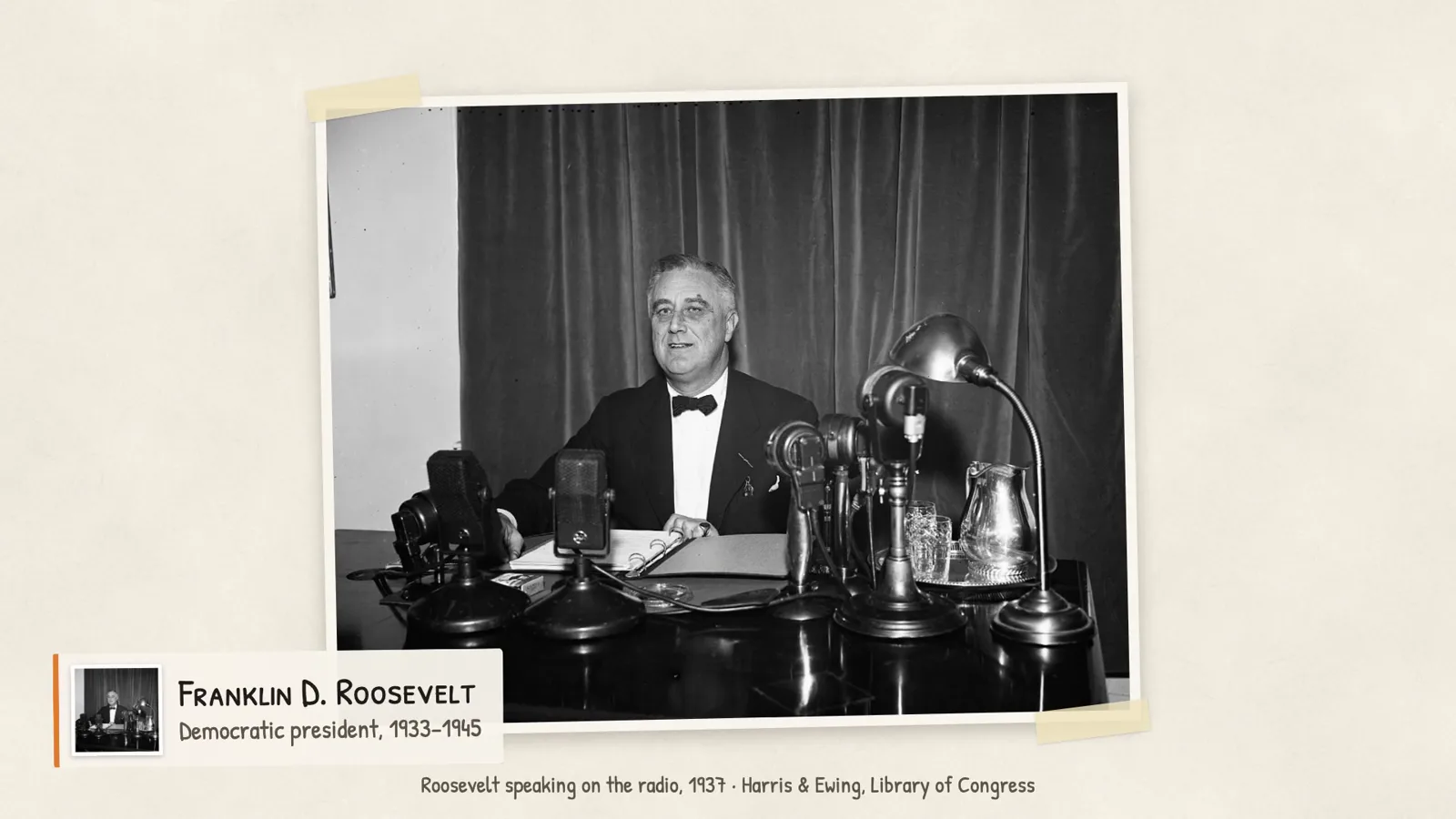

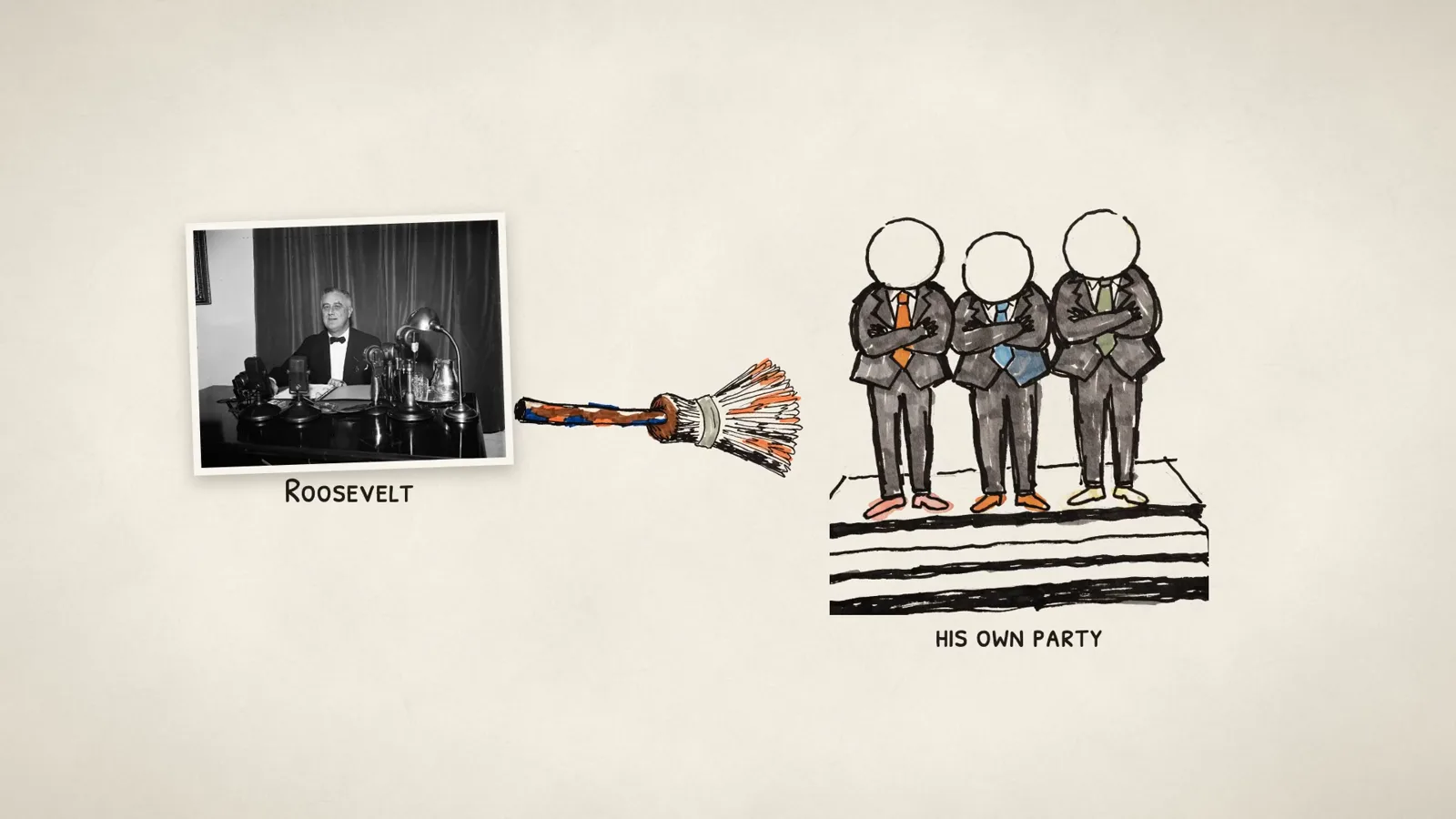
Even Franklin Roosevelt, the Democratic president, couldn't steer it. In 1938, he set out to remove members of his own party who had stood in his way. In a radio address that June, he chose his words carefully.
“As President of the United States, I am not asking the voters of the country to vote for Democrats next November.” — Franklin D. Roosevelt, radio address, 24 June 1938
But as head of his party, he said, he had "every right to speak in those few instances where there may be a clear-cut issue".
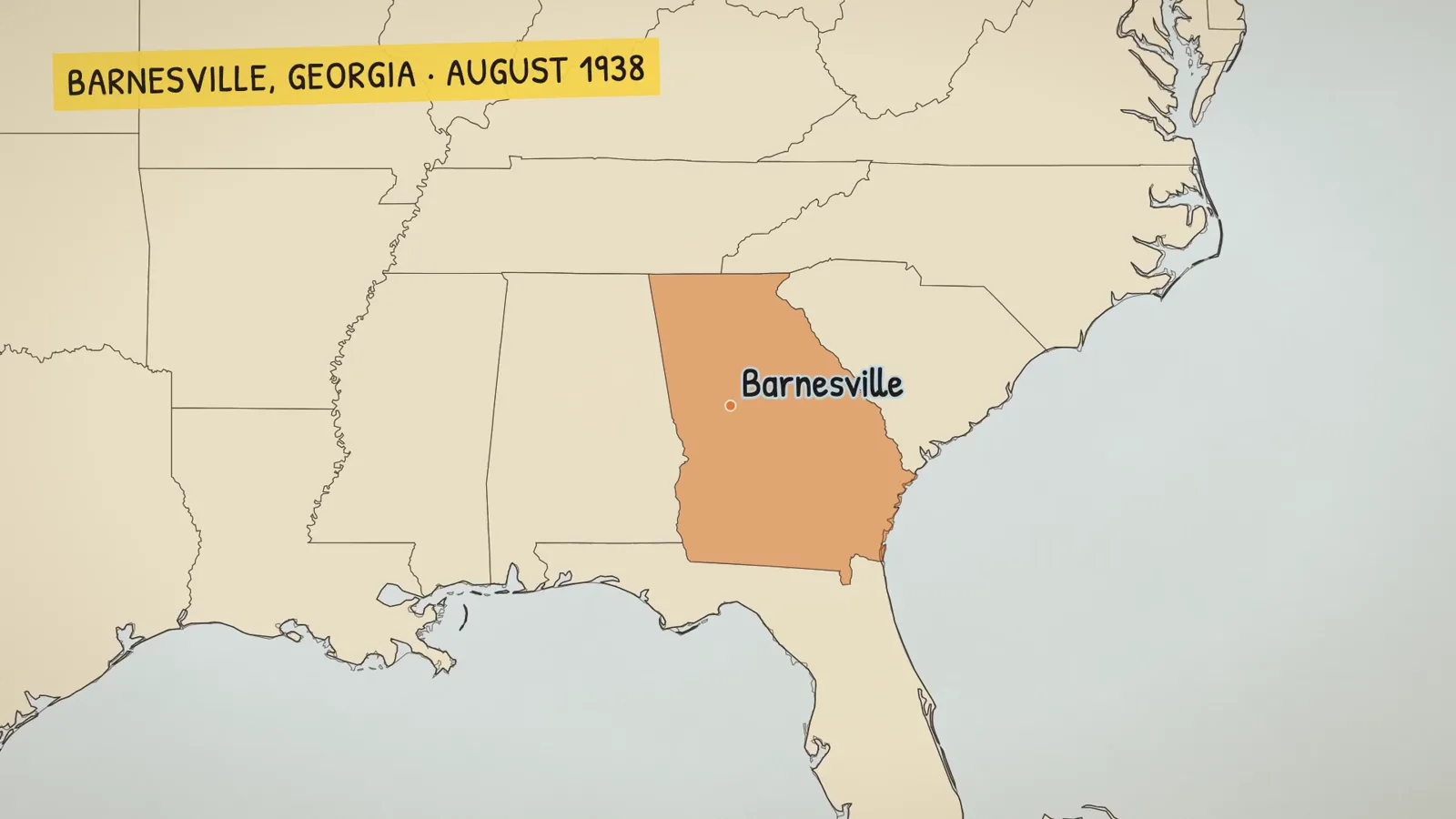



In August, he took that fight to Barnesville, Georgia. A state historical marker puts the crowd at up to 50,000 people. Walter George, the Democratic senator from Georgia, was sitting on the same platform. Roosevelt asked the crowd to vote for George's challenger. George won anyway. And in November, Roosevelt's Democrats lost 72 seats in the House.
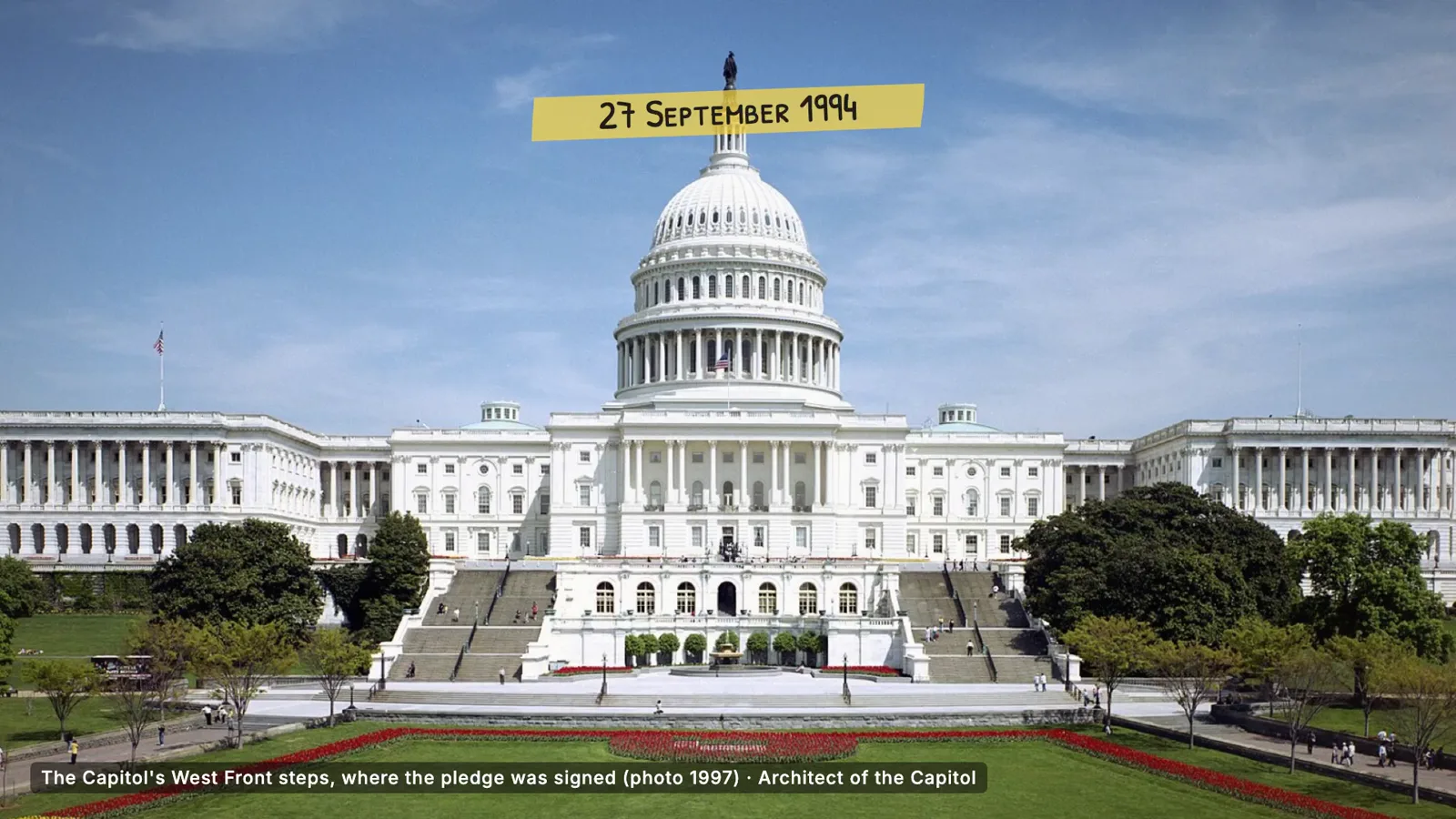



Sometimes the other party turns a midterm into one national campaign. On 27 September 1994, Newt Gingrich gathered more than 300 Republican candidates on the steps of the Capitol. He was the second-ranking Republican in the House. They signed a ten-point pledge called the Contract with America. Six weeks later, Republicans gained 54 seats and won the House for the first time in forty years.

The president that year was Bill Clinton, a Democrat. In April 1995, he held an evening news conference in the East Room of the White House. A reporter pointed out that two of the major TV networks hadn't even carried it live. Clinton's answer became famous.
“The Constitution gives me relevance. The power of our ideas gives me relevance. The President is relevant here, especially an activist President.” — Bill Clinton, news conference, 18 April 1995
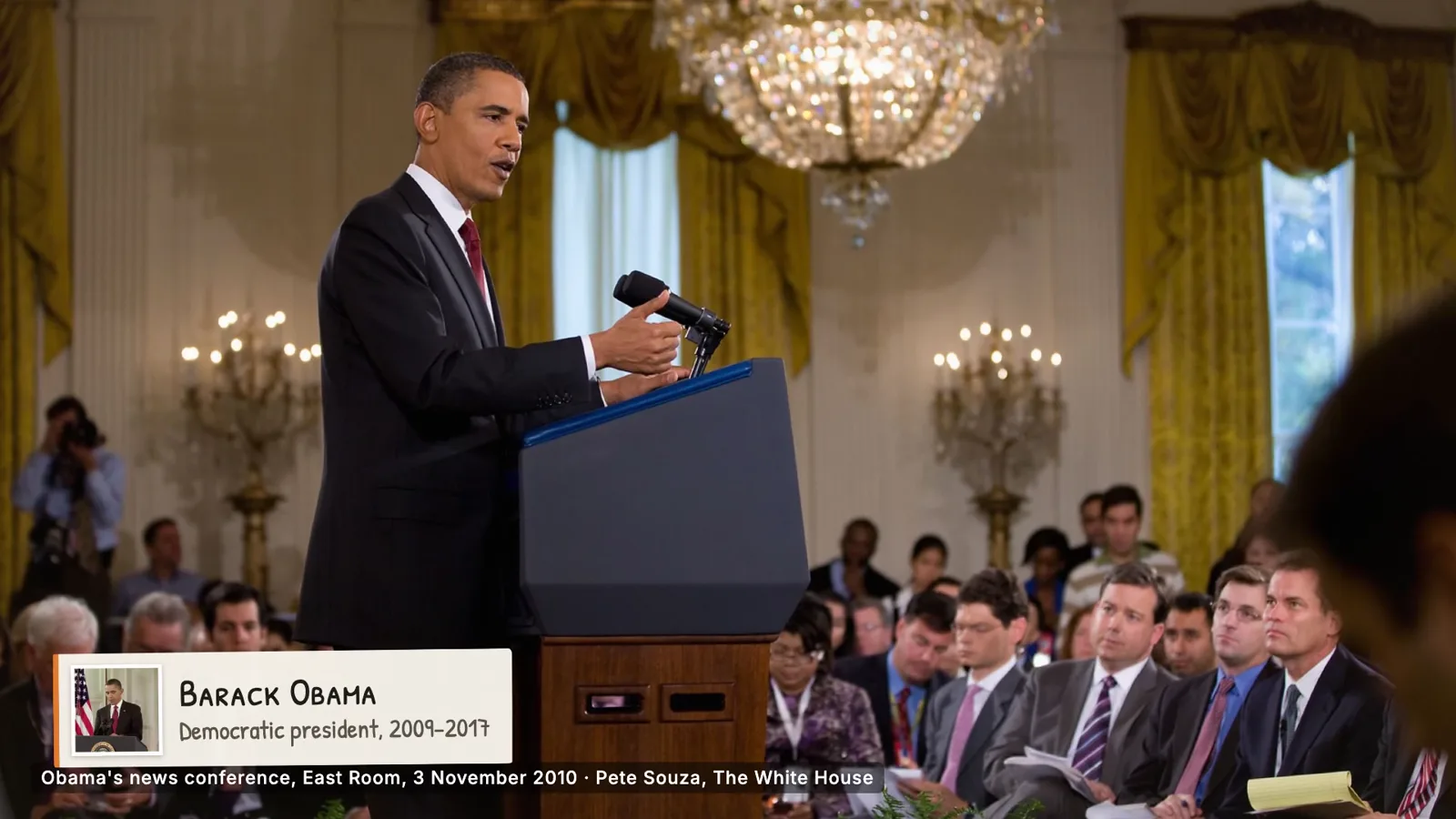

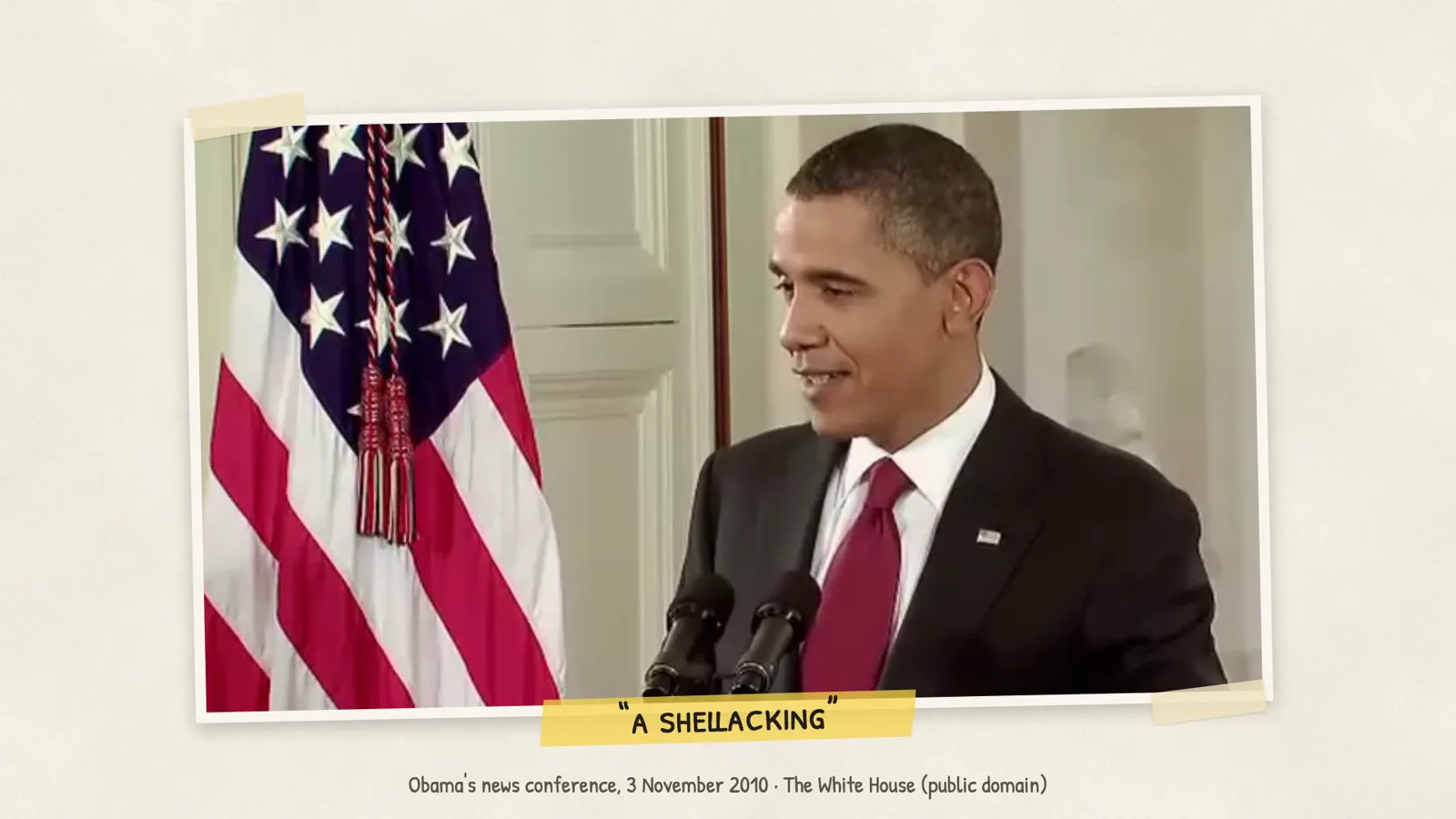
In 2010, it was Barack Obama's turn. His Democrats lost 63 seats in the House. The next afternoon, in the same East Room, he told reporters that "some election nights are more fun than others." He didn't pretend otherwise about this one. In his own words, it had been "a shellacking".
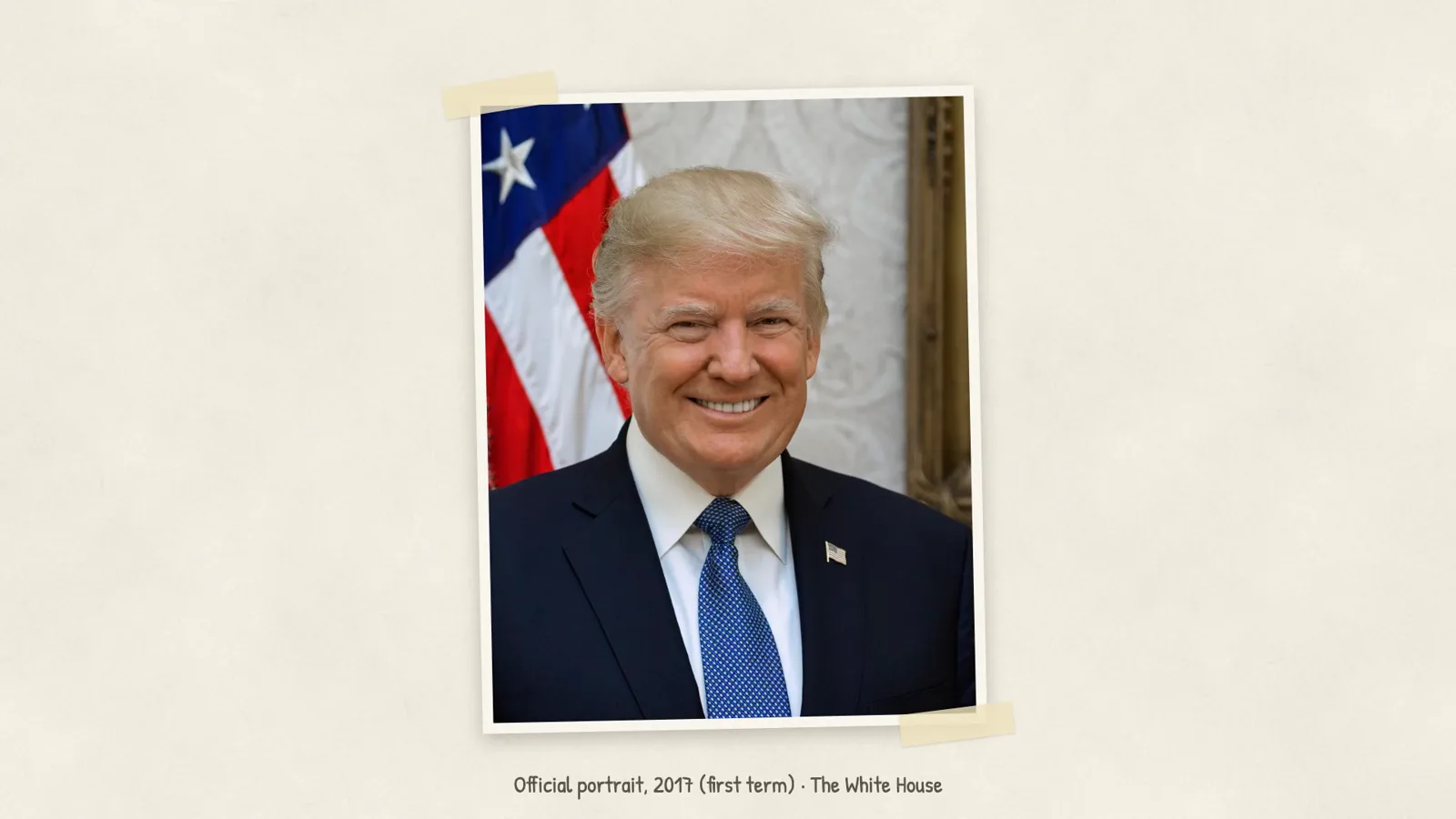

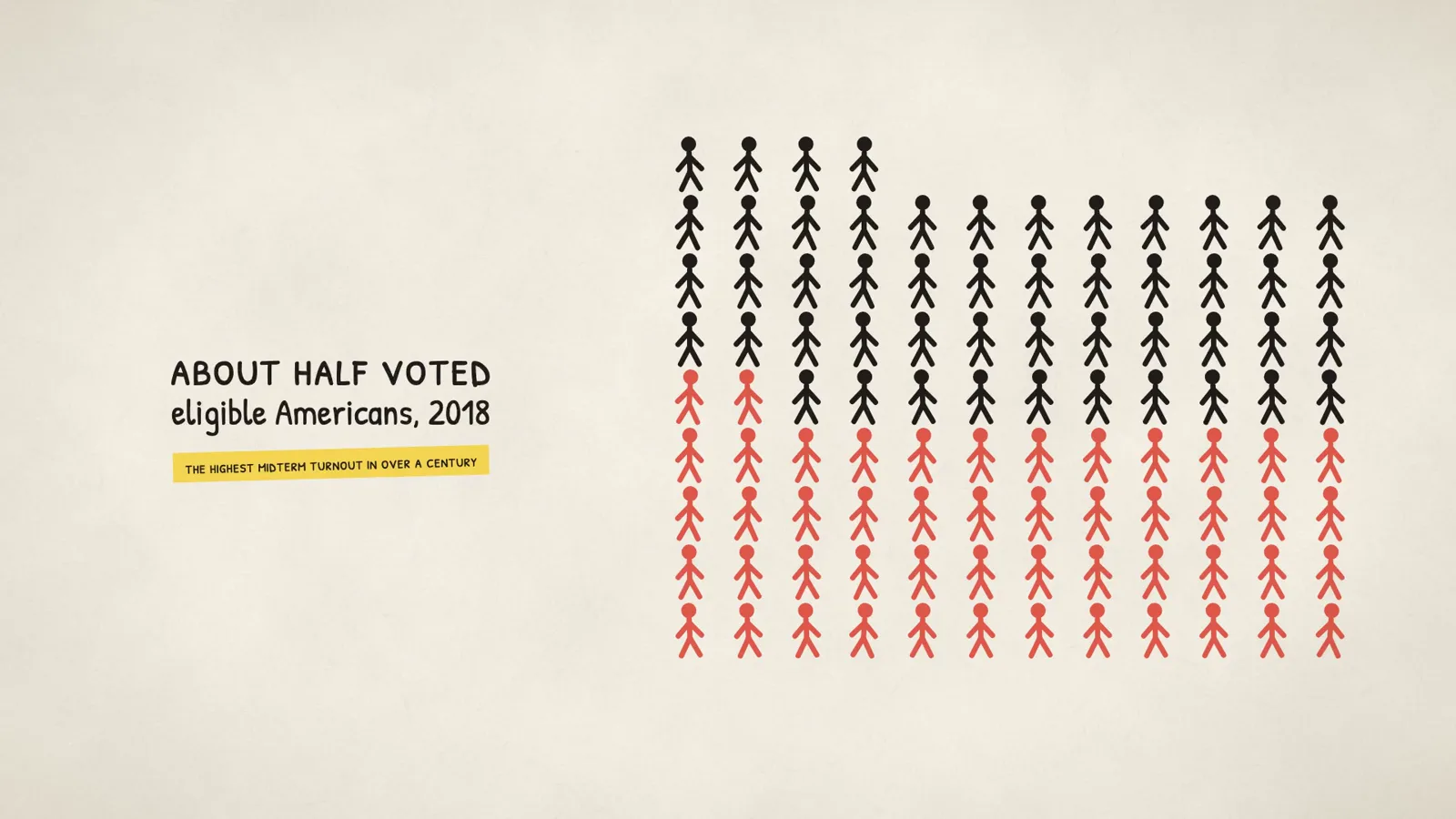
Eight years later it was Donald Trump's turn, in his first term. In 2018, about half of all eligible Americans voted, the highest turnout for a midterm in more than a century. Republicans lost about 40 House seats, and with them the majority.
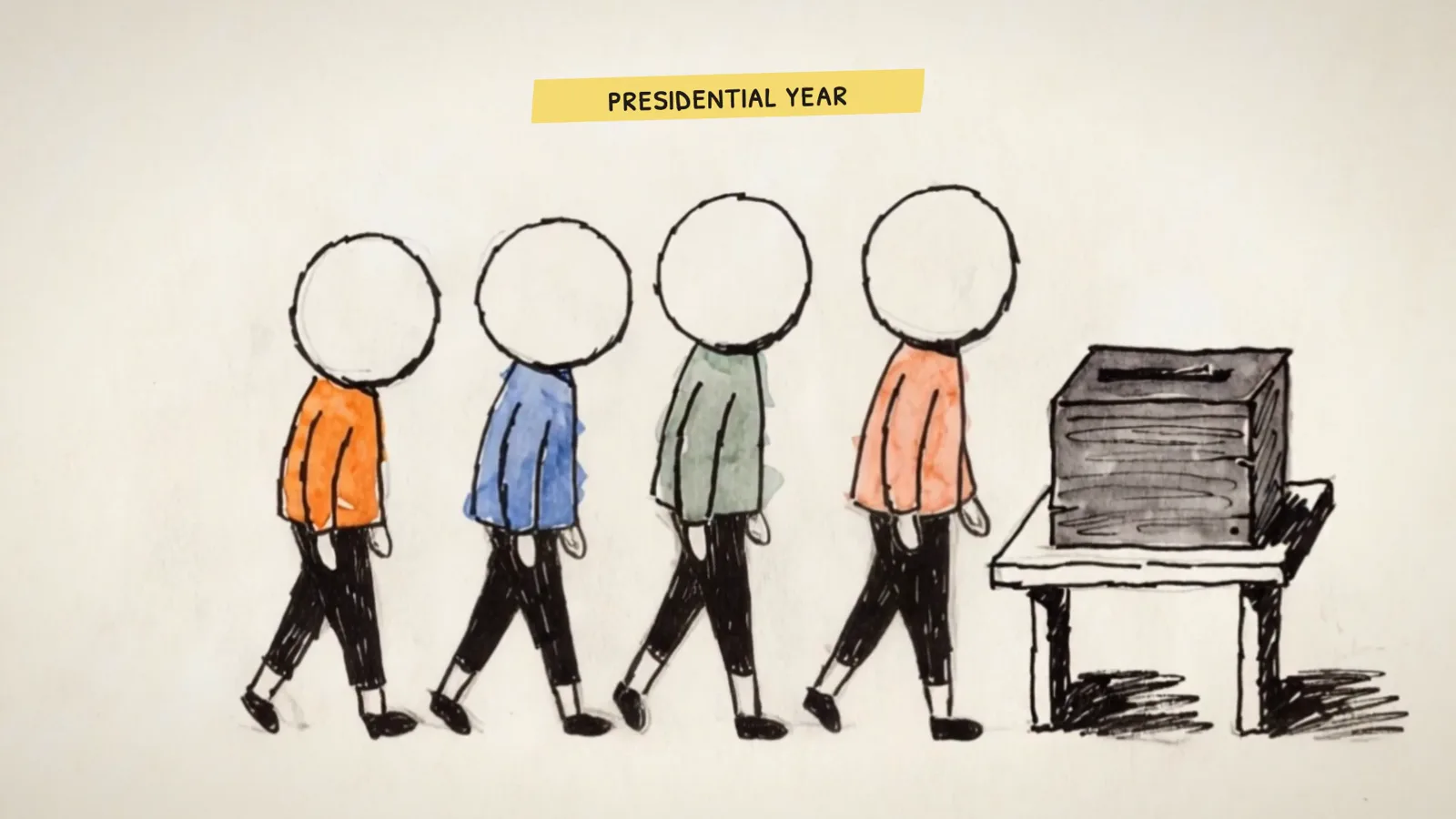
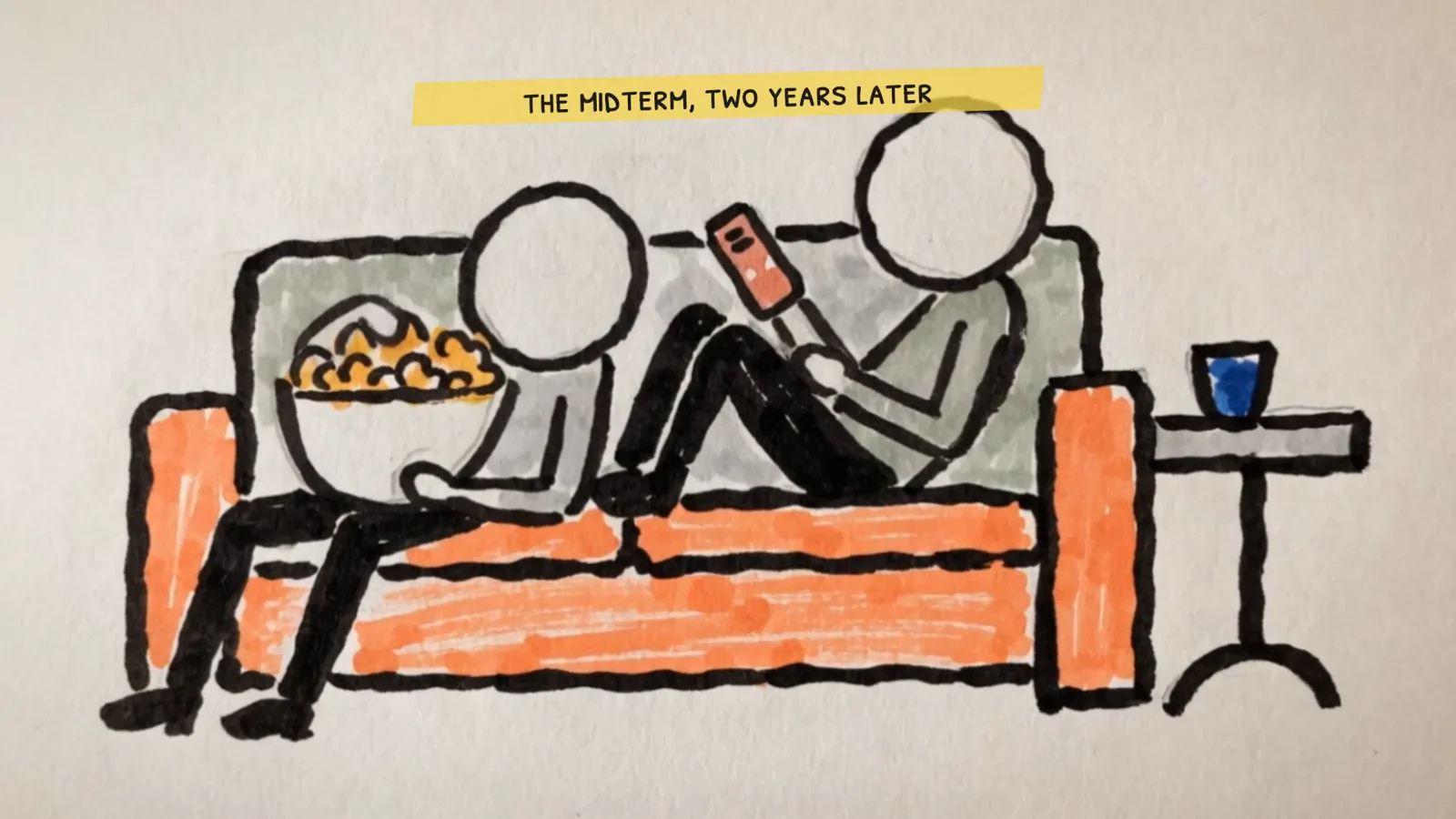
Political scientists have argued for decades about why this keeps happening. In 1960, Angus Campbell offered one classic answer, called surge and decline. A presidential race brings out people who rarely vote, and they lift the winner's party. Two years later, many of them stay home.
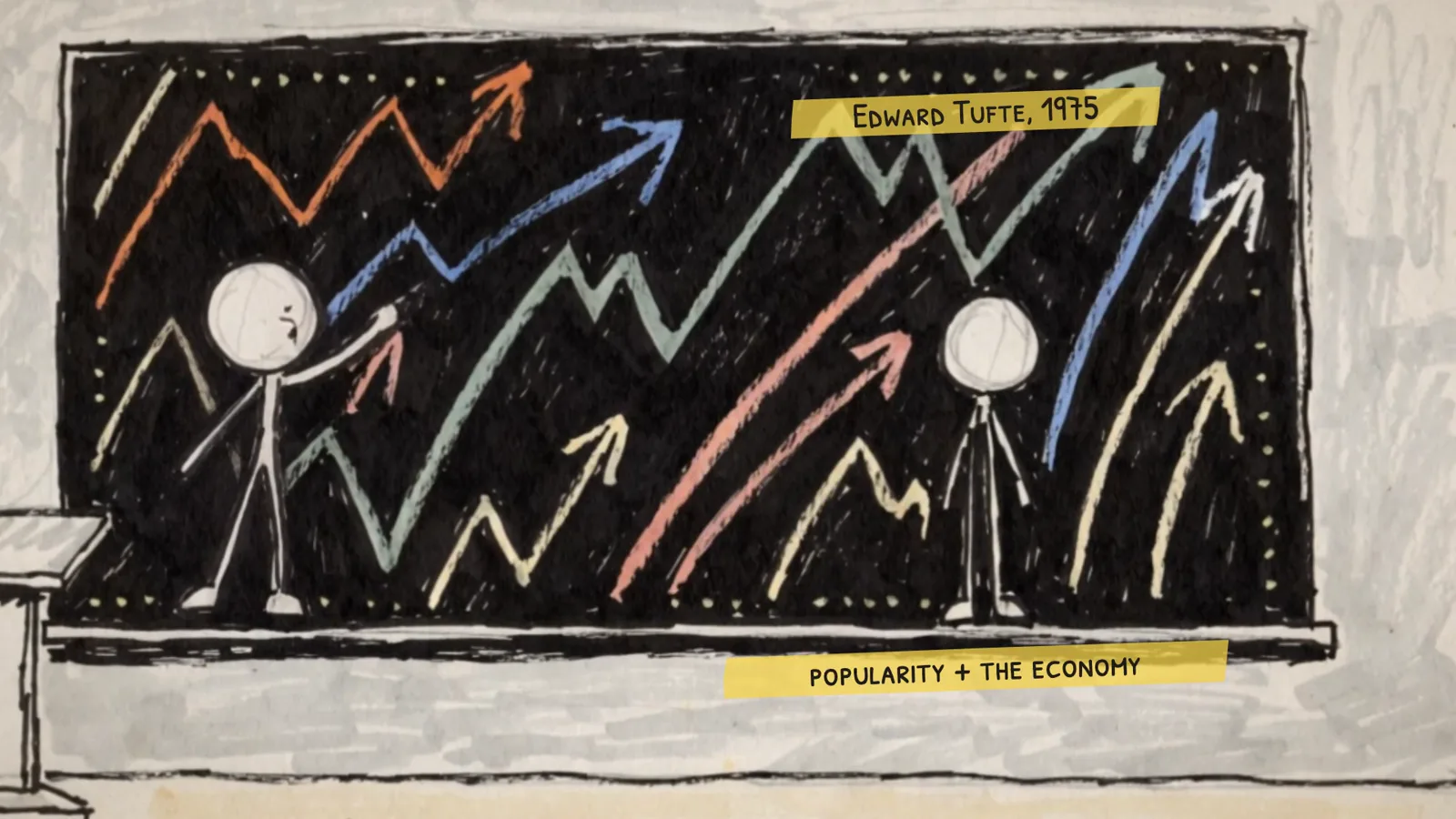
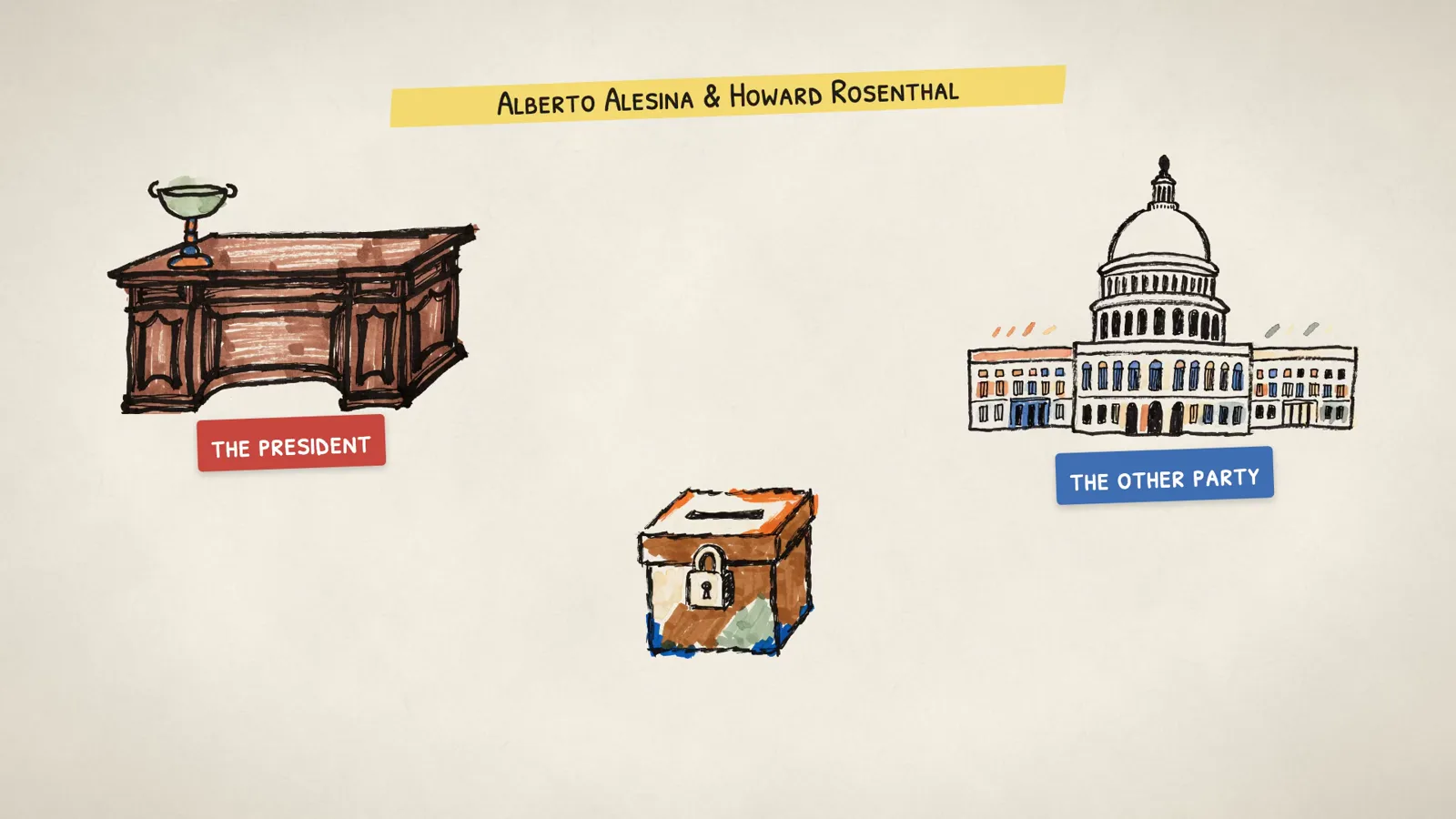
In 1975, Edward Tufte found that the midterm swing follows the president's popularity and the state of the economy. Others, like the economists Alberto Alesina and Howard Rosenthal, argued that some voters deliberately balance the president by backing the other party.
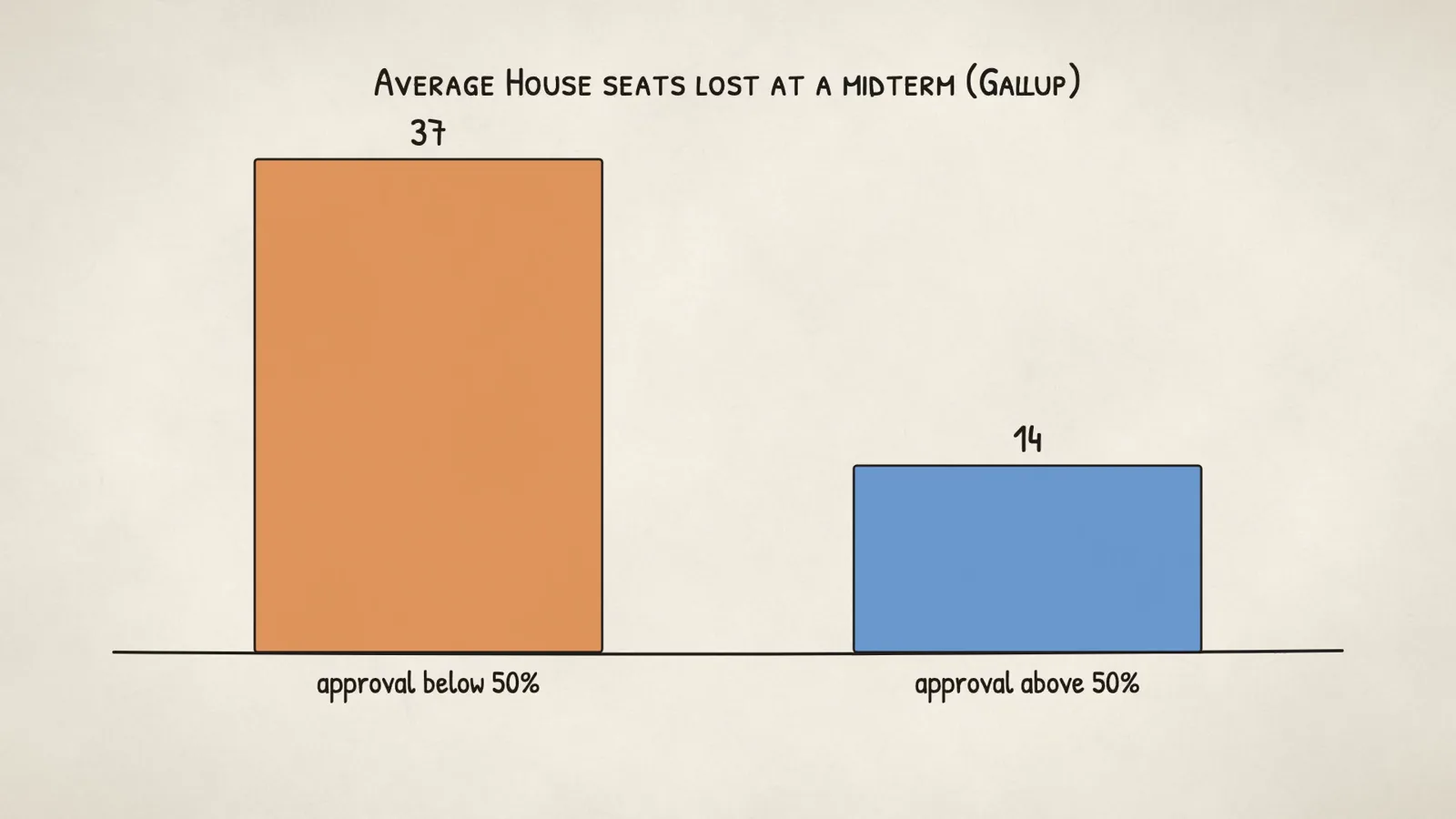
The clearest pattern is popularity. Gallup compared midterm losses with the president's approval rating. Presidents with an approval rating below 50 percent lost 37 House seats on average. Presidents above 50 percent lost 14.
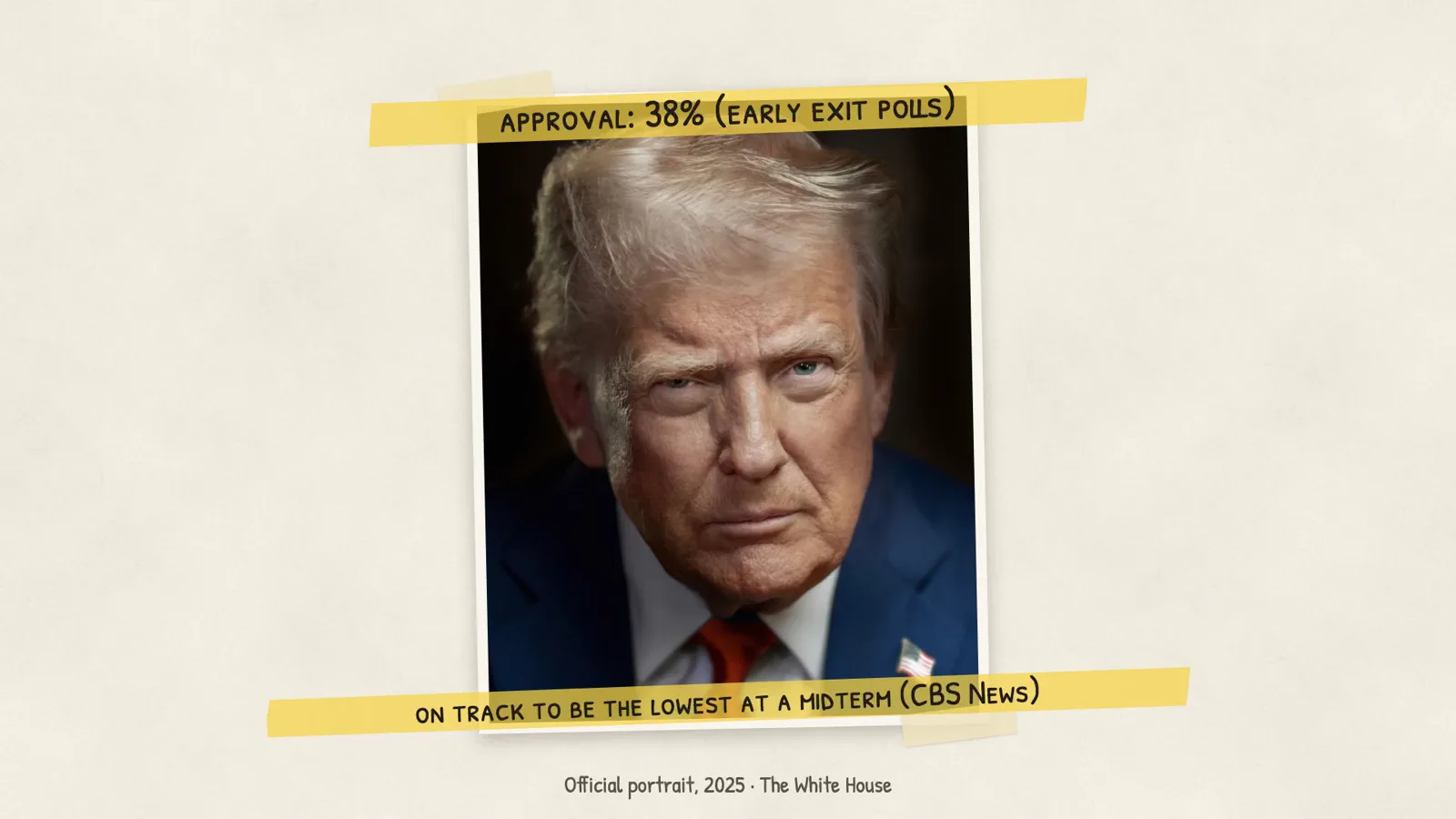

Which brings us to the 2026 election. In the early exit polls on Tuesday, Donald Trump's approval stood at 38 percent. According to CBS News, that was on track to be the lowest for any president at a midterm.
2026 midterm election results: who won? ▶ 8:52
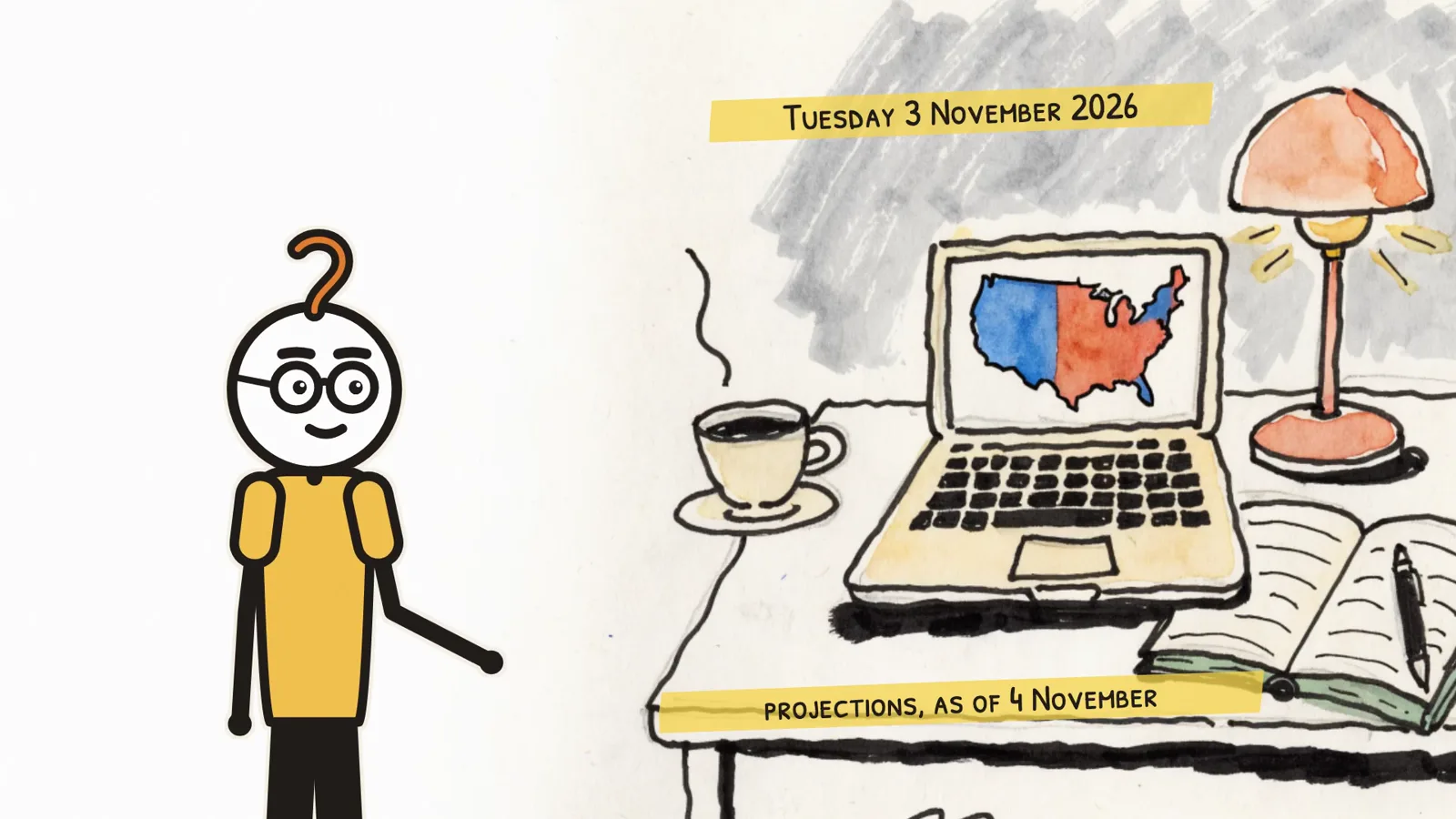
The vote was held on Tuesday, 3 November 2026. At the time of writing, on 4 November, the day after, the counting isn't finished, and some races won't be decided for days. So everything here is a projection by the news networks, not a final result.
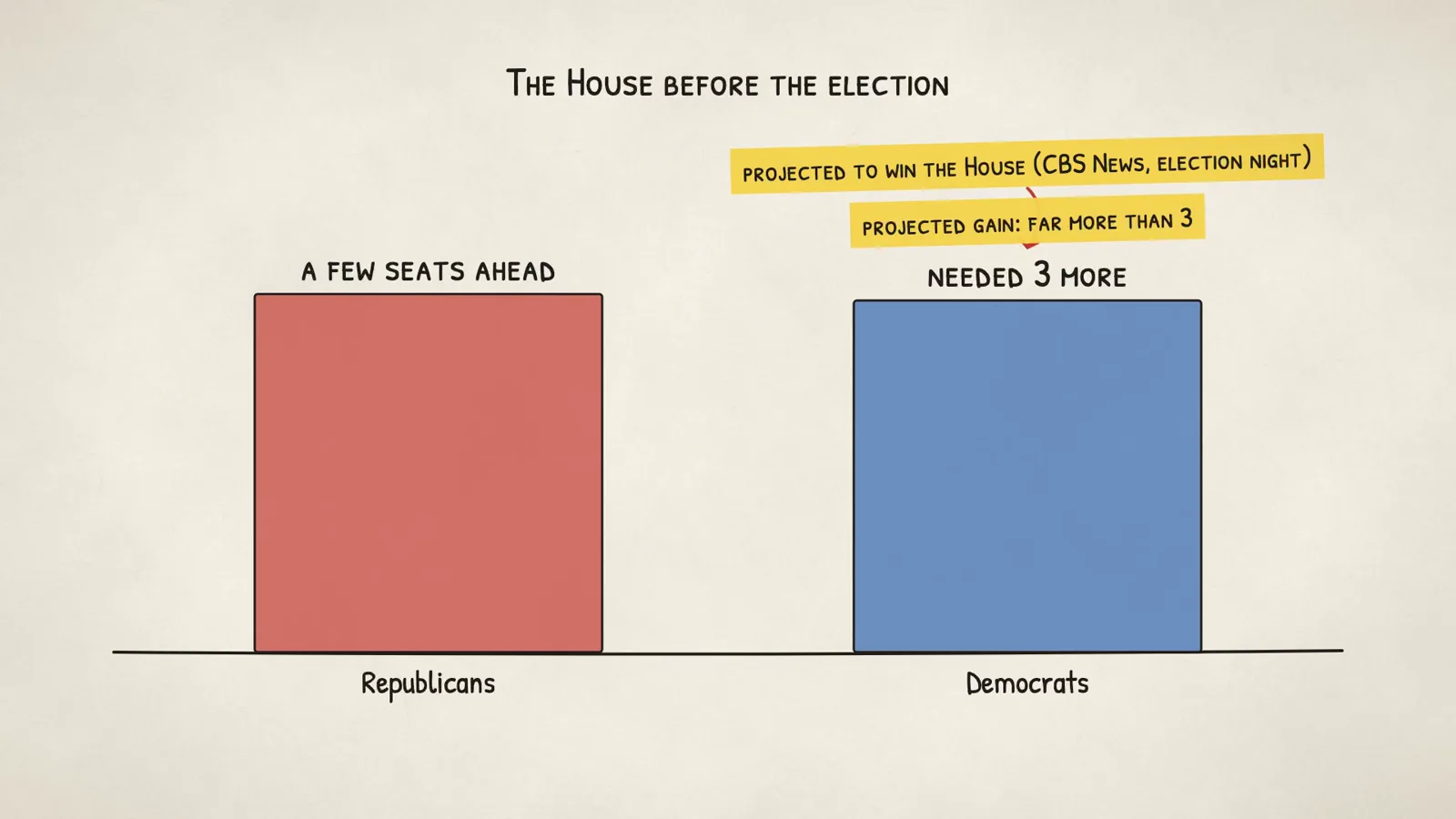
In the House, Republicans went in with a majority of just a few seats, so Democrats needed to gain only three. CBS News projected that Democrats would win the House a little after ten at night, Eastern time. By the networks' estimates, their gain will be far bigger than three.
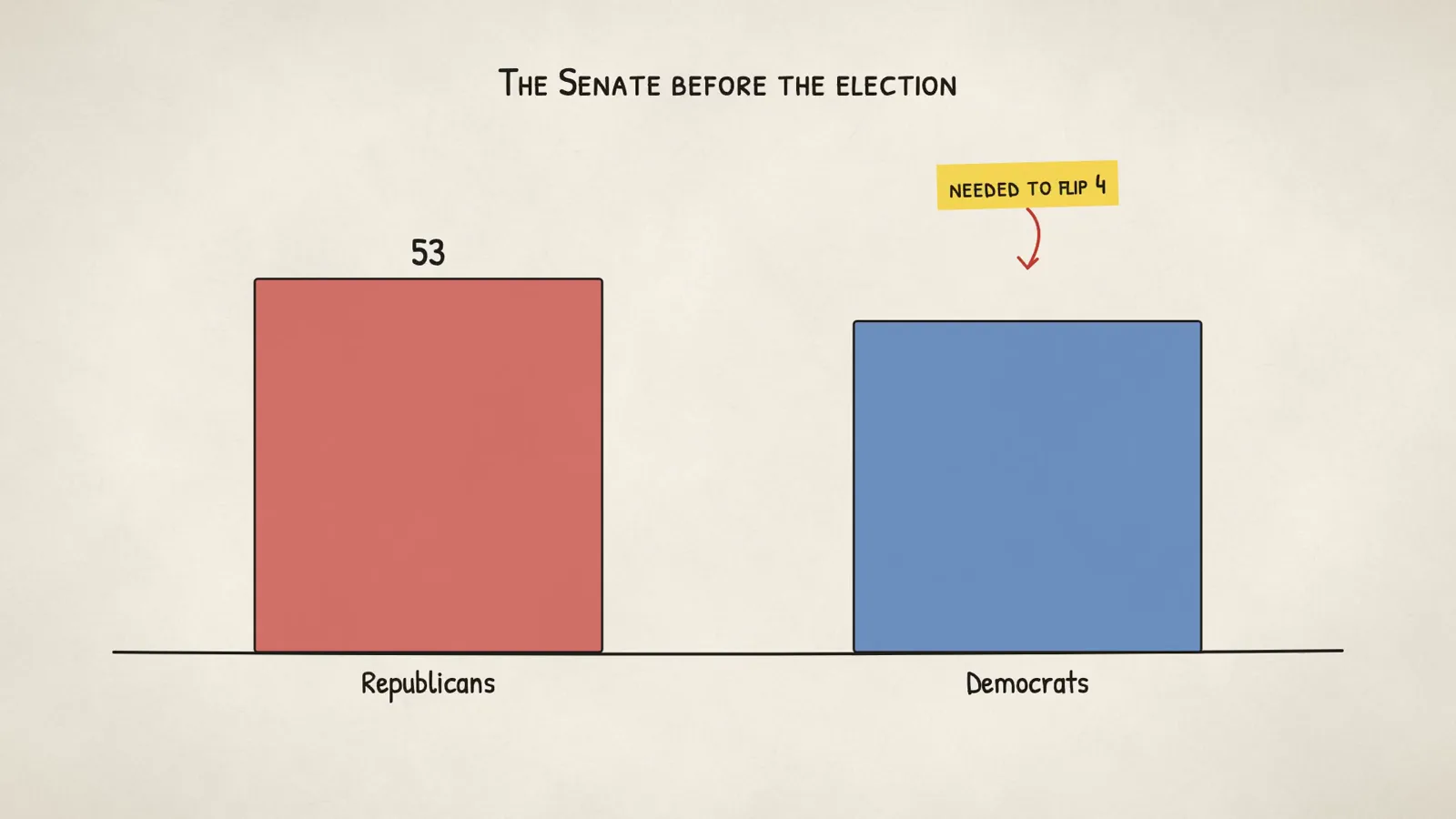
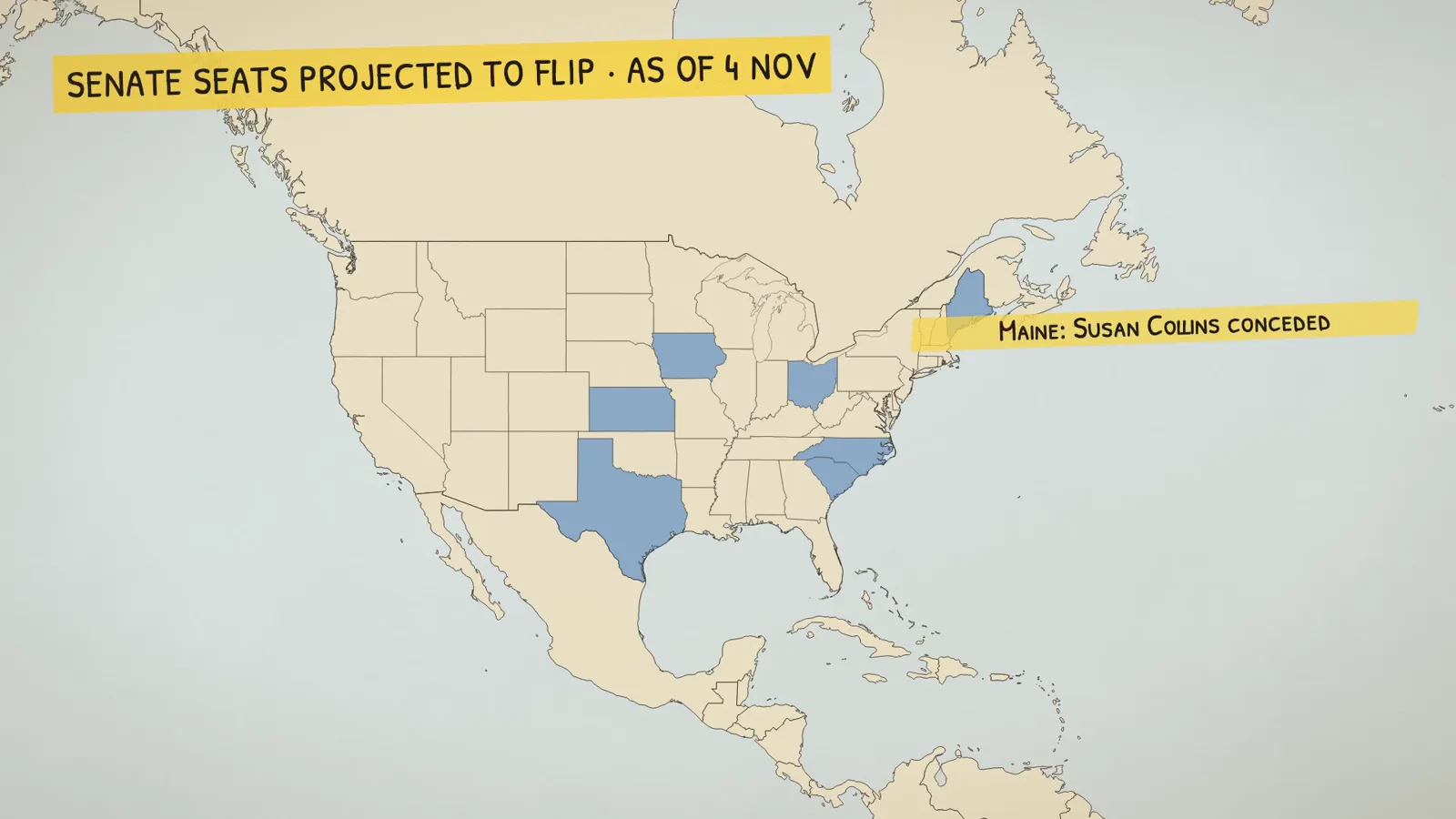
The Senate was the harder climb. Republicans held 53 seats, so Democrats needed to flip four. By early Wednesday, the networks projected they had flipped seven. They were North Carolina, South Carolina, Ohio, Iowa, Kansas, Texas, and Maine, where the Republican senator Susan Collins conceded.


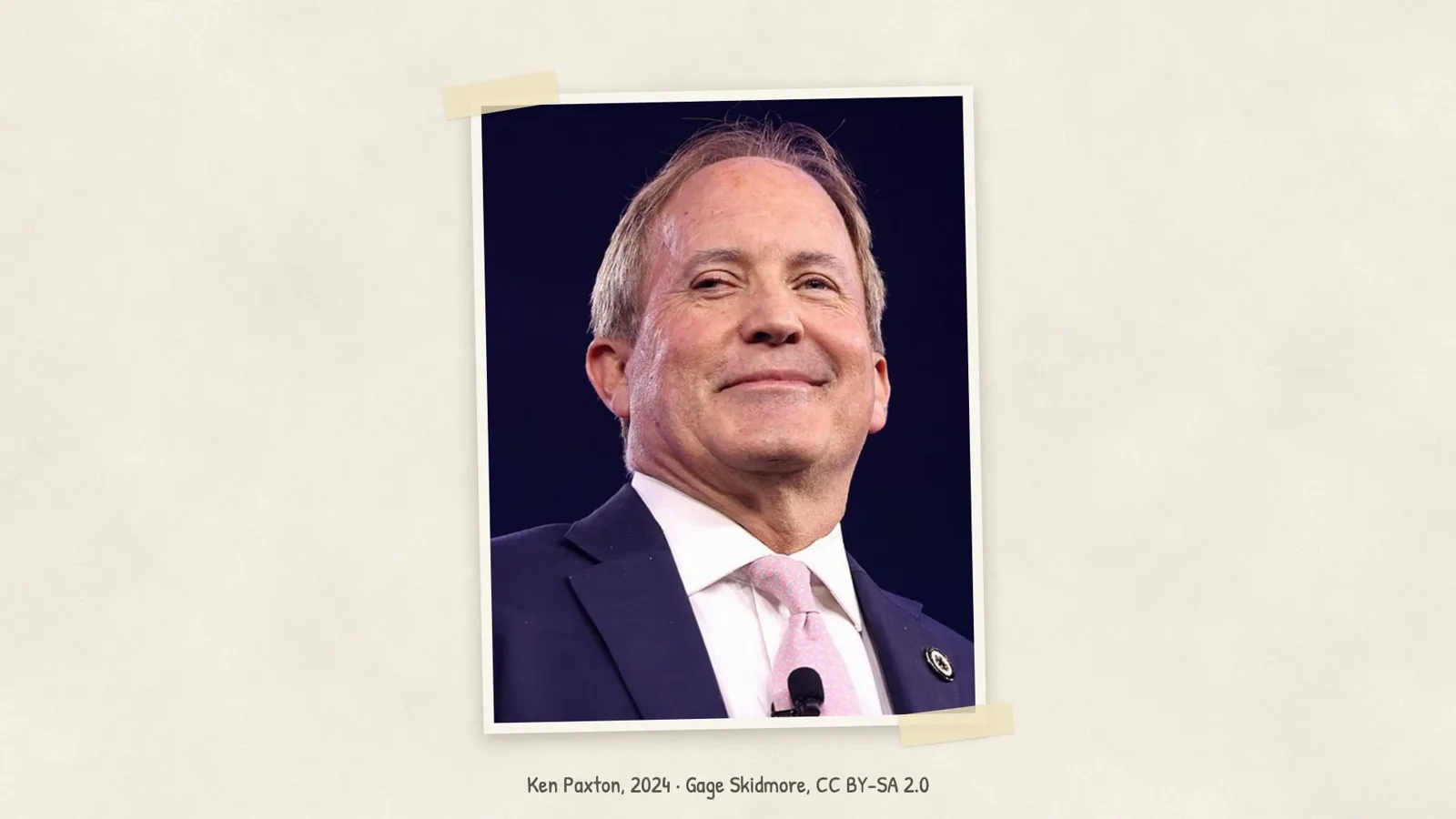

Texas was the biggest surprise. Democrats hadn't won a Senate race there since 1988. This time the networks projected that James Talarico, a Democratic state lawmaker, had beaten the state's attorney general, Ken Paxton, and Paxton conceded before midnight. In the same state, Gina Hinojosa, another Democratic state lawmaker, was projected to beat Governor Greg Abbott.
Two Senate races were still too close to call at the time of writing: Mississippi and Alaska. Alaska can take weeks to count.
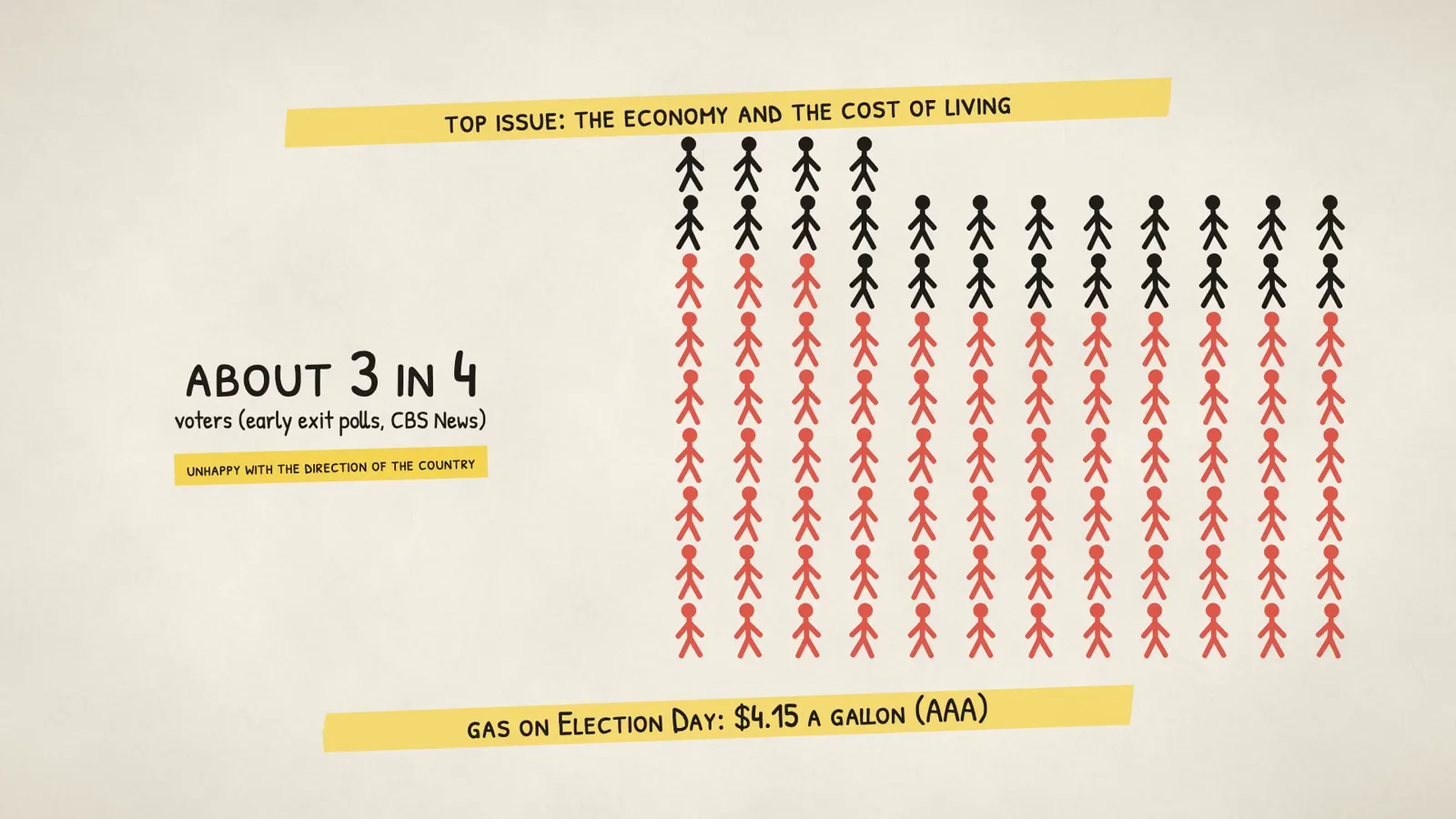
In the same exit polls, voters put the economy and the cost of living first. About three quarters of them were unhappy with the direction of the country. On Election Day, a gallon of gas cost $4.15 on average.
Turnout looks big too. More than 50 million people voted early, a record for a midterm, according to the University of Florida's Election Lab.
What changes after the 2026 midterms? ▶ 10:40
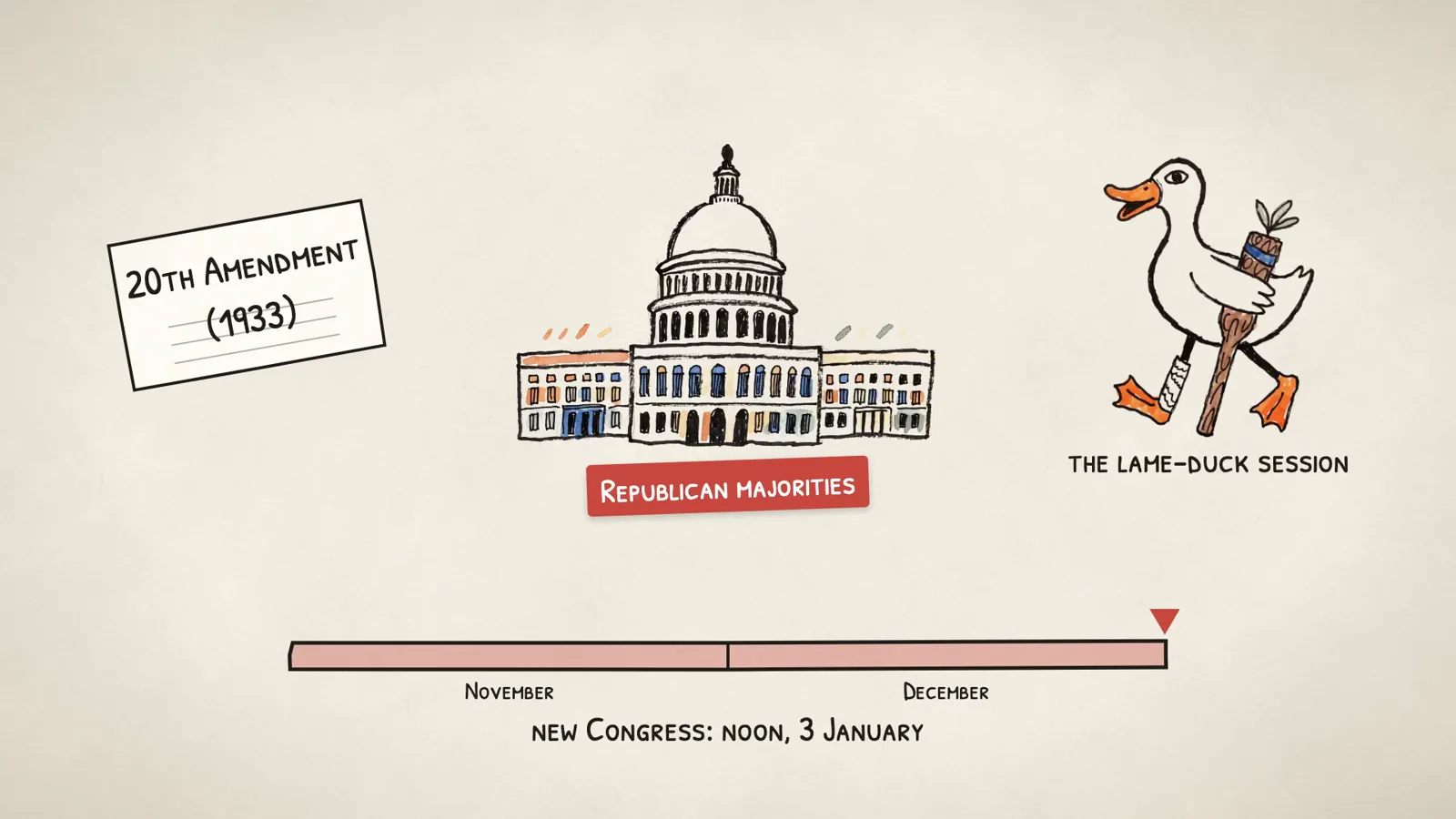
Nothing changes right away. The old Congress, with its Republican majorities, keeps working until noon on 3 January. That date was set by the Twentieth Amendment, in 1933. Until then, Congress meets in what Americans call a lame-duck session.
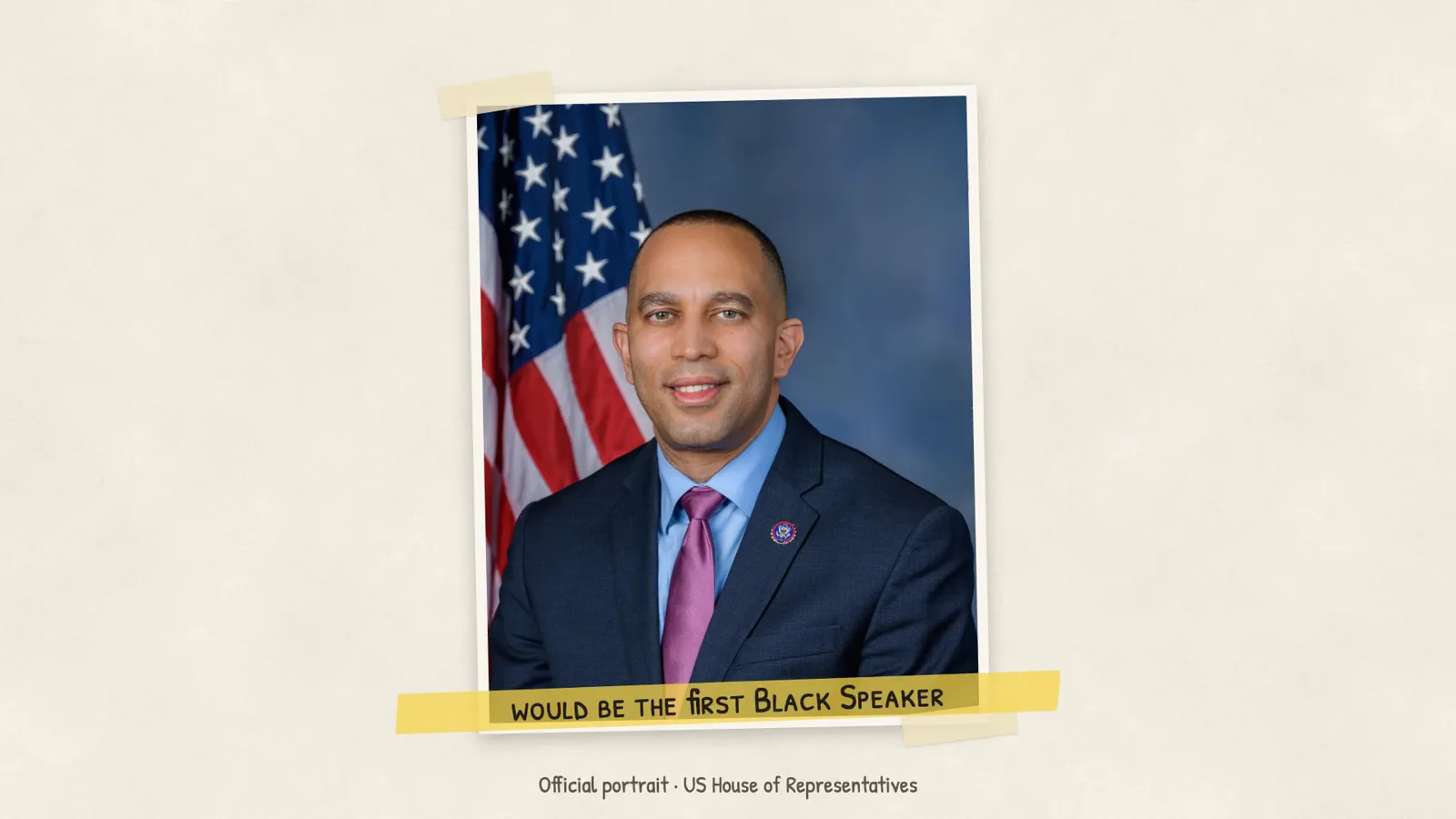

On 3 January, the new House elects its Speaker, the person who decides which bills even come to a vote. Hakeem Jeffries, the Democratic leader from New York, is in line for the job. He'd be the first Black Speaker of the House. On election night he said:
“Today begins the great American comeback.” — Hakeem Jeffries, election night, 3 November 2026

The majority also takes over every committee. Committees can issue subpoenas, legal orders to hand over documents or come and testify. Democrats say they'll use that power to investigate the administration. Representative Robert Garcia, who's set to chair the House Oversight Committee, said it would focus on "Trump family corruption". On a third impeachment, Jeffries has said Democrats "haven't ruled anything in and we haven't ruled anything out".
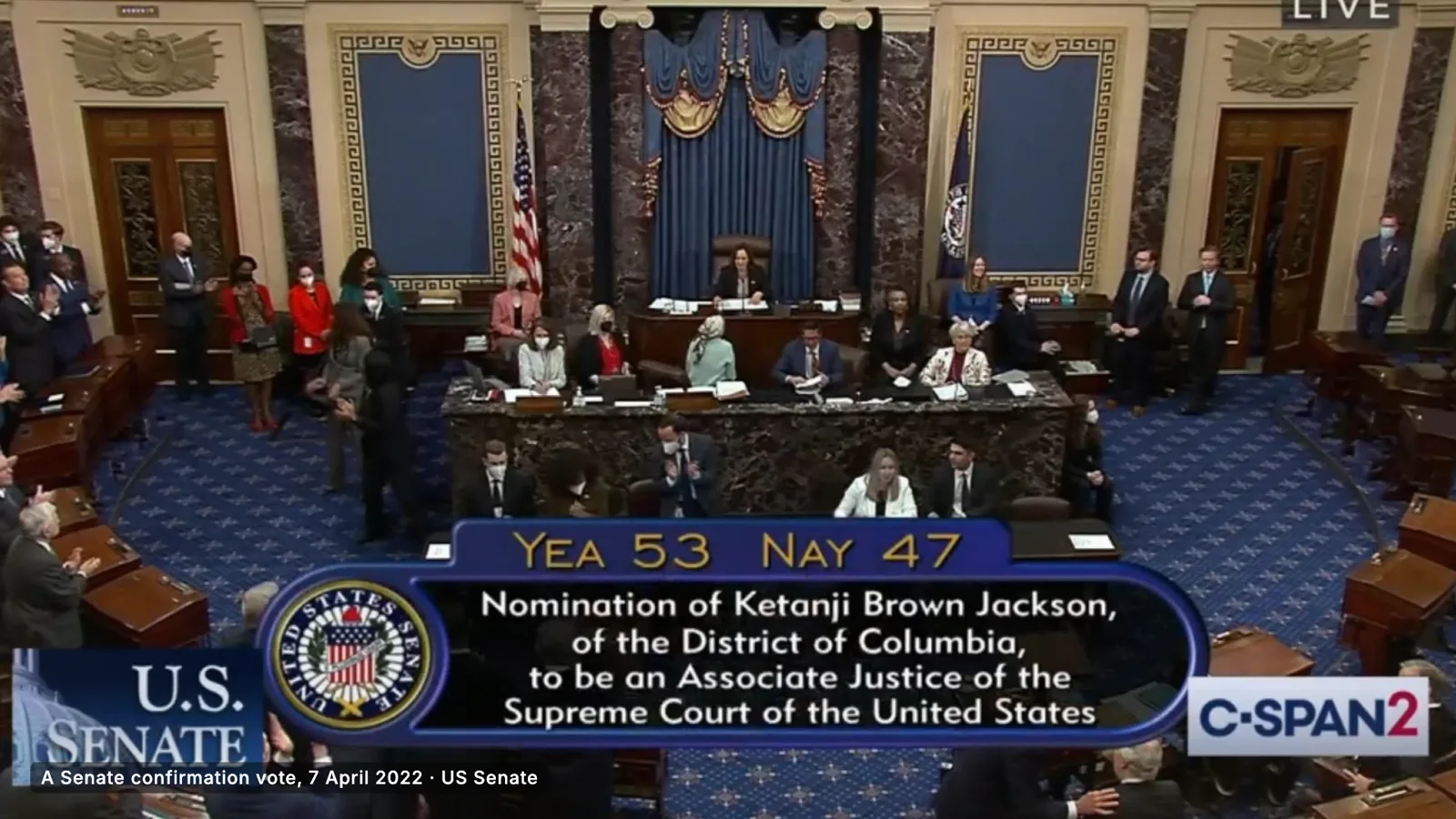

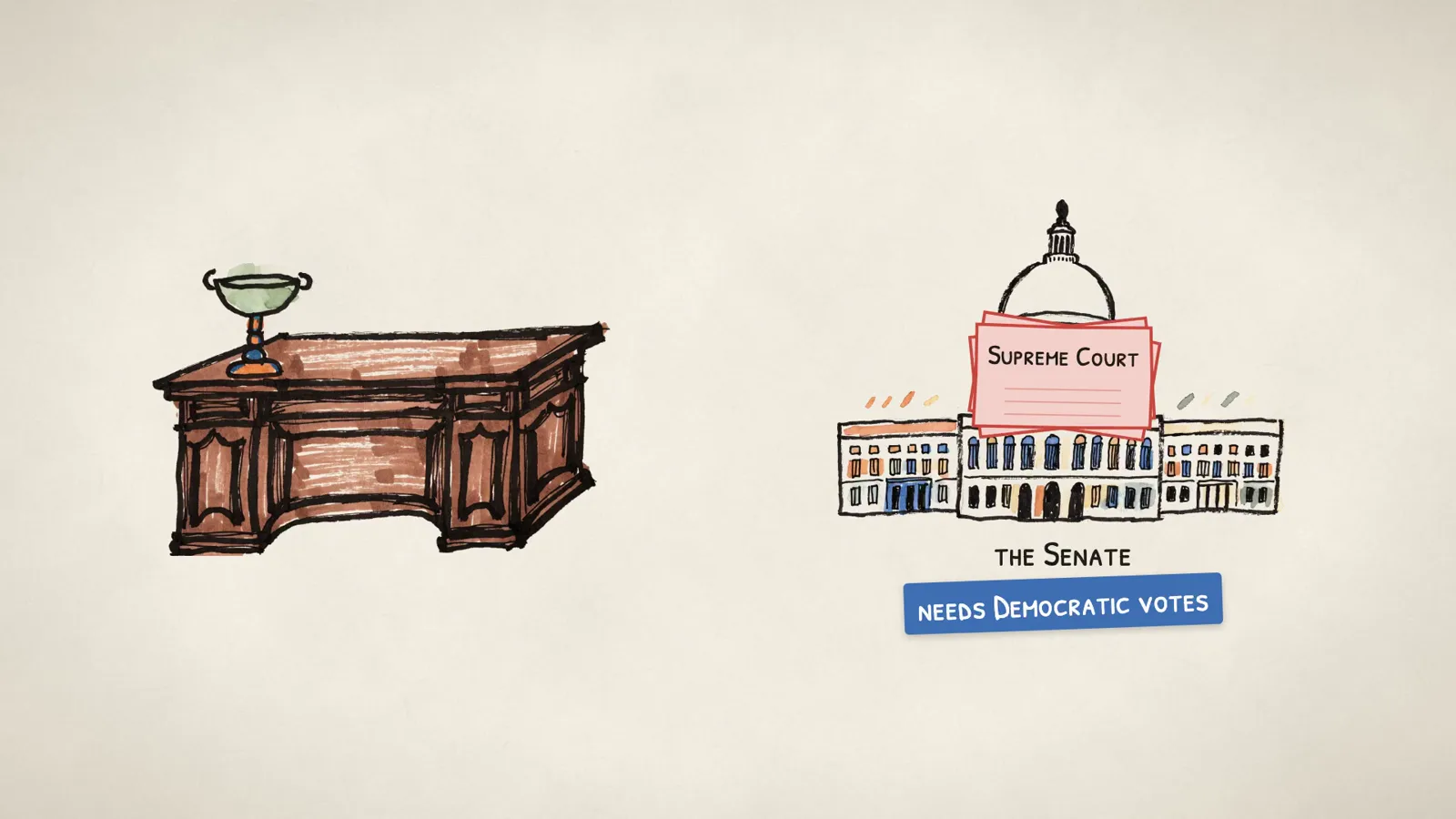
The Senate matters in a different way. It votes on the people the president picks for his cabinet and for the federal courts, including the Supreme Court. With Democrats in charge, each of those picks will need Democratic votes.
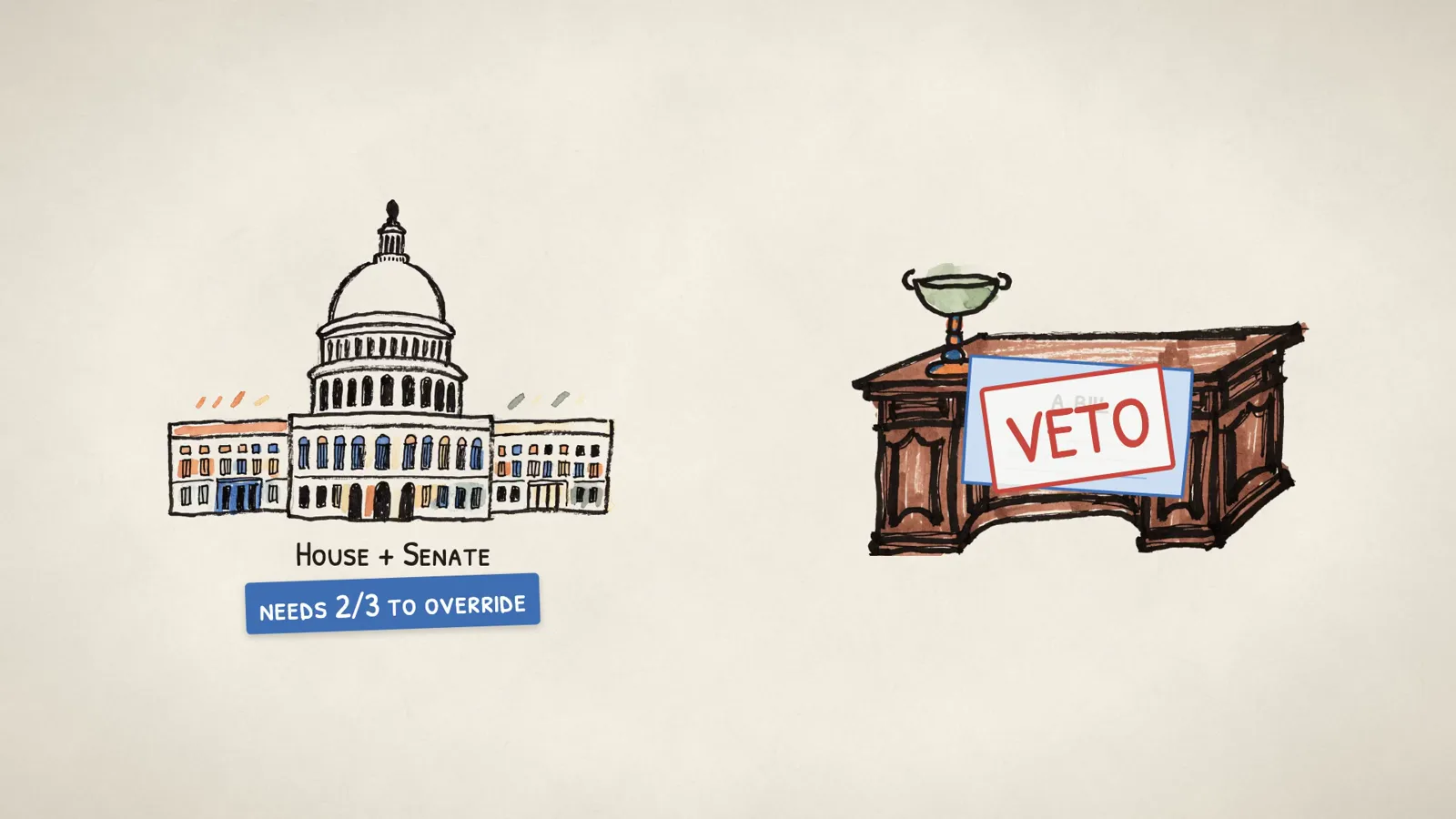
And there are the laws themselves. A bill has to pass both chambers and then get the president's signature. If he vetoes it, Congress needs two thirds of each chamber to override him, and neither party has that many seats. So for the next two years, nothing becomes law unless both sides agree to it.
Trump has already said how he sees it. On Truth Social, he wrote:
“I wasn't on the Ballot and if I was, we would have won IN A LANDSLIDE!” — Donald Trump on Truth Social, election night 2026
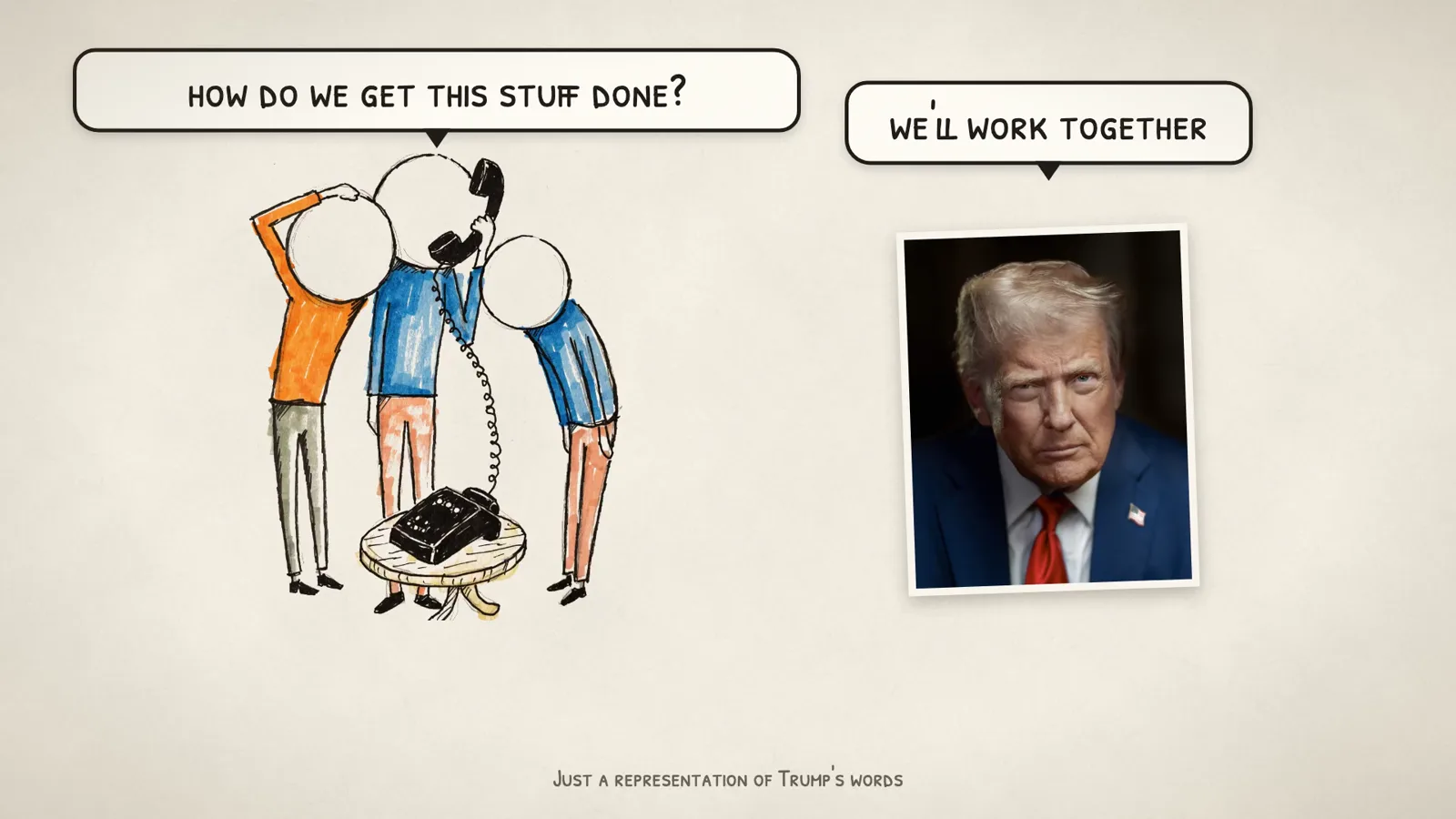
He told the New York Times he was "absolutely willing to accept those results". And on Fox News, he described the next two years. "They'll send over things that are insane, and I'll veto them," he said. "And after a couple of months of vetoes, they'll call and they'll say, 'how do we get this stuff done?' And we'll work together."
Why the US midterms matter ▶ 12:39
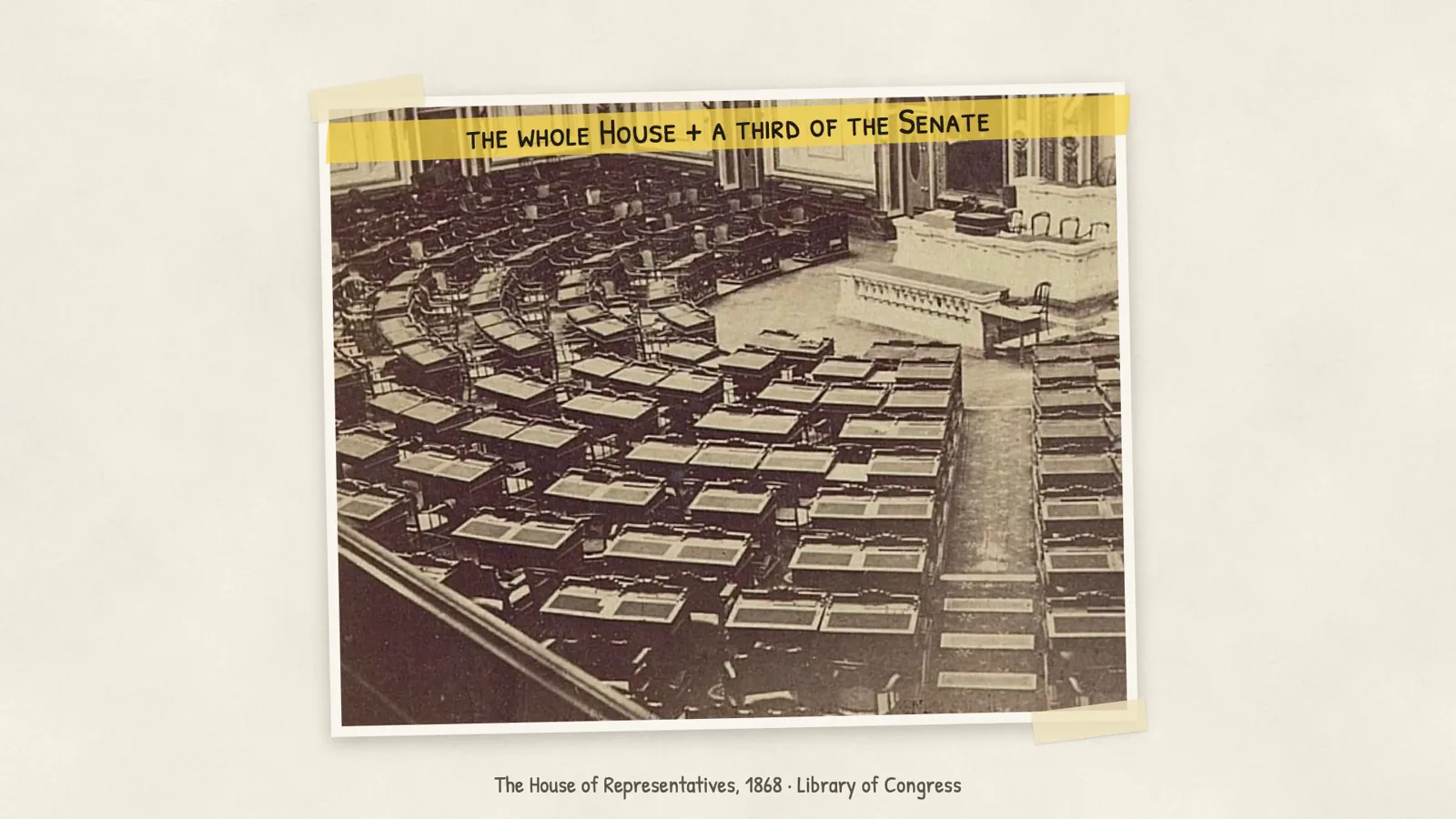

That's why one vote in the middle of a term can change so much. The founders wanted one part of Congress that couldn't wait four years to hear from the people. Every two years, the whole House and a third of the Senate go back to the voters. And almost every time, the voters use it to push back against whoever is in the White House. In 2026, they pushed back in both chambers at once.

Some of it is still open. The final counts will take days, and two Senate seats could still go either way. Whether the next two years bring vetoes or deals isn't decided at the ballot box at all. Trump says he expects both, vetoes first and deals later.
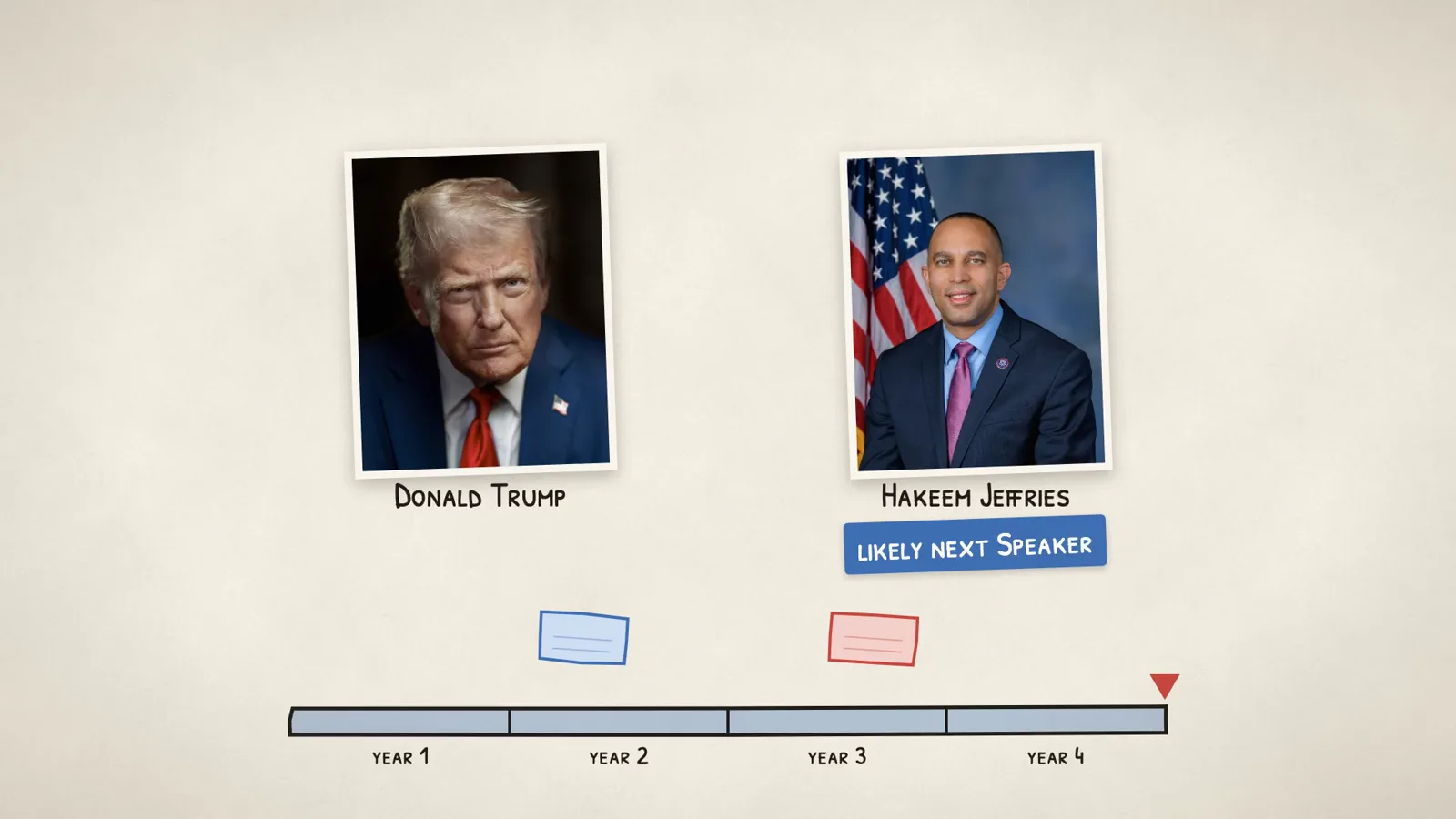
A midterm can't remove a president. What it decides is who he has to work with for the rest of his term.